
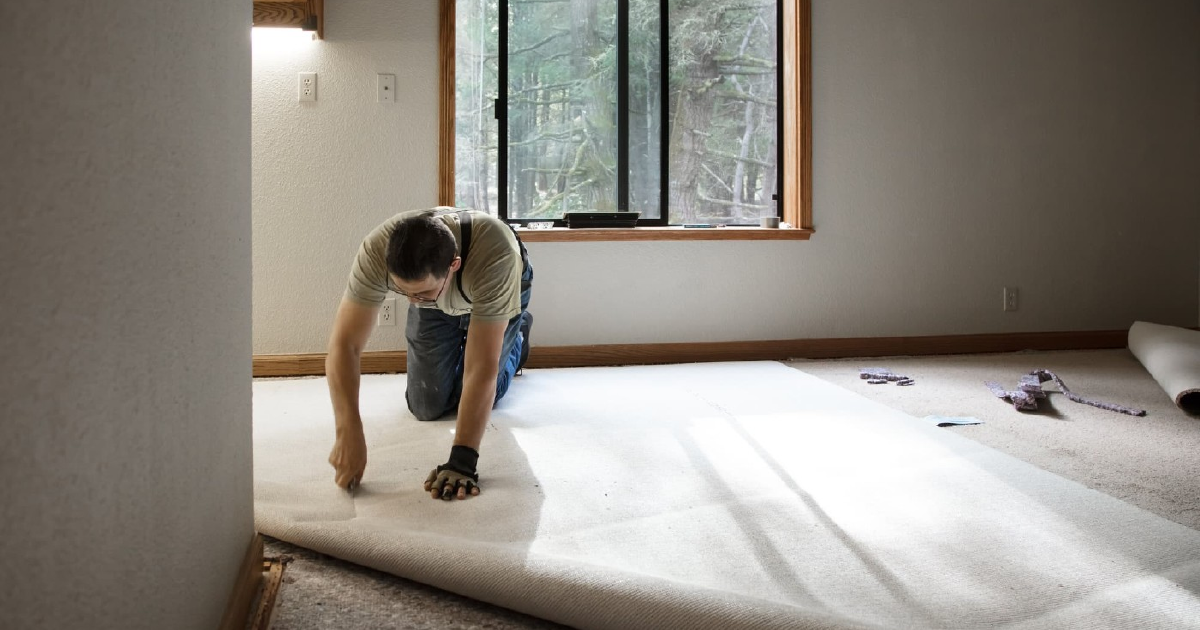
That feeling of soft, plush carpet underfoot is one of the true joys of a cozy home. But let’s be honest, you have probably wondered, “how long does carpet flooring last” before it starts looking worn and tired? The great news is that with the right care, your floors can stay beautiful for many years.
Proper carpet flooring maintenance is only the secret. It’s not about complicated rituals; it’s about smart, consistent habits that protect your flooring. Think of it like maintaining a car – a little tuneup now and then prevents major problems down the road.
In this guide, we’ll walk through everything from daily routines to pro tips, giving you a clear path to a carpet flor that can last a lifetime. Let’s dive in and find out how you can keep your home flooring looking and feeling fantastic.
Understand Your Carpet: Types, Fibers & Pile
You might be thinking, “I already have my carpet, so is this part still relevant?” Yes it is! Understanding what you’re working with is the first step to giving it the right care. It’s like knowing if you have a delicate silk blouse or a sturdy cotton t-shirt – the way you clean it changes completely.
So, what makes for a long lasting carpet? It boils down to three key things: the fiber, the pile, and the pad.
The Fiber Foundation
This is the carpet’s DNA.
- Nylon: The all-star for busy homes. It’s incredibly resilient, bouncing back from foot traffic like a champ. It’s a top choice for families with kids and pets.
- Polyester: If you’re looking for superb stain resistance and a softer, more luxurious feel underfoot, polyester is a great option. It’s like that comfortable, colorful sweater that feels great but might not be for heavy yard work.
- Wool: The natural luxury option. It’s durable and beautiful but often requires a bit more specialized care.
The Pile Profile
This is how the fibers are constructed.
- Loop Pile: Think of Berber styles. The loops are tough and great at hiding footprints and vacuum marks, making them perfect for hallways and family rooms.
- Cut Pile: This is your typical plush, soft carpet. The fibers are cut, creating that smooth, inviting feel. Some are more dense than others, which we’ll see matters for vacuuming later.
The Padding:
Never, ever underestimate the power of a good carpet pad. This is the cushion underneath that absorbs the shock of every step. A high-quality pad doesn’t just make your carpet feel plusher; it prevents the fibers from being crushed prematurely, directly contributing to carpet floors that last a lifetime.
Now that you know what your carpet is made of, let’s talk about the daily habits that will protect it.
Daily & Routine Carpet Flooring Maintenance
Knowing your carpet’s type is step one. Step two is the daily carpet floor maintenance that acts as a shield against wear and tear. This is where we answer the common question, “how to clean floor carpet on a regular basis?”
Let’s break it down into two simple habits: vacuuming smart and dealing with spills.
- Vacuuming
Vacuuming is not just a chore, it’s a technique. Think of dirt as tiny pieces of sandpaper. Every time you walk on it, you grind those particles into the carpet fibers, causing them to fray and dull. Regular vacuuming removes this grit.
- Frequency is Key: Don’t just wait until you see dirt. High-traffic areas like hallways and living rooms love a quick pass every couple of days. Less-used rooms can go for a week.
- Slow and Steady Wins the Race: Gliding your vacuum quickly just pushes dirt around. Slow, overlapping passes give the suction time to pull deeply embedded debris from the base of the fibers. This is especially crucial for dense cut piles we talked about earlier.
- Height Matters: If your vacuum has an adjustable head, set it to the correct height for your carpet’s pile. Too low, and it can be hard to push and may damage the fibers. Too high, and it won’t pick up anything.
- Spill & Stain
Spills cannot be avoided. But a panic-free, quick response is what separates a temporary stain from a permanent stain. The goal here is to make your carpet feel new again after a mishap.
- Blot, Never Rub: This is the golden rule. Rubbing a spill grinds it deeper into the carpet pile. Instead, gently press and lift with a clean, absorbent cloth or paper towel to soak up as much liquid as possible.
- Start Simple: Often, plain cool water is all you need. After blotting, dampen a cloth with water and continue blotting from the outside of the stain inward to prevent spreading.
- Test Cleaners: If you need a cleaning solution, always test it on a hidden corner of your carpet first to make sure it doesn’t cause discoloration.
These daily habits are your first line of defense. But sometimes, your carpet needs a deeper level of care to truly make it feel like new again, which is what we’ll explore next.
Deep Cleaning & Professional Care
Even with perfect daily habits, dirt, oils, and allergens build up deep down where your vacuum can’t reach. This is where professional carpet flooring cleaning comes in – it’s the equivalent of a deep detox for your floors, and it’s the secret for how to make your carpet look new again.
This isn’t just about appearances; it’s about health and longevity. This deep cleaning process removes the gritty soil that acts like sandpaper, cutting down your carpet fibers from below.
The Professional Cleaning
Most carpet cleaners use a method called hot water extraction (often called steam cleaning). Think of it as a powerful, deep-soaking shower for your carpet: it injects hot, cleaning solution-infused water deep into the fibers and then sucks it all back out, pulling the trapped dirt with it.
Why it Works: This method doesn’t just clean the surface; it flushes out the base of the carpet, which is important for maintaining that springy feel and preventing matting.
How Often? A great rule of thumb is every 12 to 18 months. If you have pets or a busy household, you might need it more frequently.
Can I Do It Myself?
You can rent machines, but they don’t have the same powerful suction as professional equipment. The biggest risk with DIY is overwetting the carpet and leaving behind moisture that can lead to mold and mildew. If you do choose DIY, make multiple, slow passes with the wet-vac function to extract as much water as possible.
Now, let’s talk about how to protect that fresh, clean feeling for as long as possible with some simple preventative measures.
Protective Measures to Extend Carpet Life
After a deep clean, your carpet is in its best possible condition. The question becomes, “how to make carpet last longer” from this peak condition? The answer lies in smart protection. Think of these tips as putting a shield around your freshly cleaned floors.
No-Shoe Policy
This is one of the easiest and most effective methods. Shoes bring in abrasive dirt, oils, and chemicals from the outside world. Making a simple switch to indoor shoes or socks reduces the amount of grime that ever gets to your carpet fibers in the first place.
Area Rugs and Runners
Even without shoes, some areas get more footfall. Place high-quality mats at every entryway, big enough for two or three steps, to catch debris. In high-traffic pathways like hallways, a runner isn’t just a style statement; it’s a layer that takes the daily beating, saving your carpet underneath.
Furniture Management
Heavy furniture acts like a constant weightlifter on your carpet pile, crushing it over time.
- Use Pads: Felt or rubber pads under furniture legs distribute the weight and prevent deep, permanent dents.
- Rotate and Rearrange: Every few months, slightly shift your furniture. This changes the pressure points and prevents one area from wearing out faster than others.
Sunlight & UV Protection
Sunlight can be as damaging as dirt, fading your carpet’s color over time. Using blinds or curtains in sun-drenched rooms during the brightest parts of the day will help you protect your carpet’s color for years to come.
By putting these safety measures in place, you cut down on the daily wear that leads to major cleaning. But what about those little surprises that still happen? Let’s tackle some quick fixes for common carpet headaches.
Common Carpet Issues And How to Fix Them
Even with the best protection, carpets can face a few common issues. The good news is that many have simple solutions you can handle yourself. Knowing these tricks is a key part of answering the broader question of how to extend the life and beauty of your carpet flooring.
Banishing Furniture Dents
Those deep, ugly dents from a heavy sofa don’t have to be permanent. Here’s a simple trick: place an ice cube in the dent and let it melt completely. Once the area is damp, gently fluff the fibers back up using the edge of a spoon or your fingers.
Taming Pet Hair
If vacuuming alone isn’t cutting it, try a simple rubber squeegee. Pull it across your carpet pile, and watch as it gathers pet hair into easy-to-pick-up clumps.
Dealing with Snags and Pulls
If you see a loose loop or snag, your first thought might be to pull it. Please don’t! Pulling can unravel a much larger section. Instead, simply snip the snag off with a pair of sharp scissors, being careful not to cut the surrounding healthy loops.
Preventing and Managing Fading
As we touched on earlier, sunlight is a major culprit. If you notice fading, rotating your area rugs and furniture periodically can help ensure the fade is even and less noticeable. For persistent sun exposure, UV-filtering window film is a great investment.
Summary
By now you have learnt that the secret to a beautiful, long-lasting carpet isn’t a single magic trick, but a combination of smart choices and routine care. It starts with understanding your carpet’s fibers and pile, is followed by daily habits like vacuuming and quick spill response, and is preserved through protective measures and professional deep cleans
At Almaraz Hardwood Flooring, we believe a long-lasting carpet starts with a perfect installation. Our Professional Carpet Floor Installation service ensures your new flooring is laid with expert precision for maximum longevity. But our care doesn’t stop there; our team will also guide you on the best ways to maintain it, helping you enjoy that soft, pristine feel year after year. Just give us a call at 804-510-0451 or visit our service page to learn more: https://almarazhardwoodflooring.com/flooring-services/floor-carpet-installation/
Frequently Asked Questions
1. How do you extend the life of your carpet?
The most effective strategy combines regular vacuuming to remove abrasive dirt, immediate spot cleaning for spills, and placing protective mats in high-traffic areas. For a deep renewal, professional cleaning every 12-18 months is essential to remove embedded grime.
2. Does sprinkling baking soda on carpet do anything?
Yes, it’s excellent for neutralizing odors. Simply sprinkle it on, let it sit for 15 minutes, and then vacuum thoroughly to freshen the fibers.
3. Does frequent vacuuming ruin carpet?
No, not if done correctly. Frequent vacuuming with a well-maintained machine protects your carpet by removing gritty dirt that acts like sandpaper and cuts the fibers.
4. What brings carpet back to life?
A professional hot water extraction cleaning is the most effective way to revitalize tired carpet. This deep-cleaning method flushes out years of trapped dirt and allergens, restoring bounce and color.
5. What should you not clean the carpet with?
Avoid using bleach or vinegar, as they can permanently discolor fibers and break down their protective treatments. Always test any cleaning solution in an inconspicuous area first.