Almaraz hardwood Flooring

Expert Tips to Make Your Carpet Flooring Last Longer

That feeling of soft, plush carpet underfoot is one of the true joys of a cozy home. But let’s be honest, you have probably wondered, “how long does carpet flooring last” before it starts looking worn and tired? The great news is that with the right care, your floors can stay beautiful for many years.

Proper carpet flooring maintenance is only the secret. It’s not about complicated rituals; it’s about smart, consistent habits that protect your flooring. Think of it like maintaining a car – a little tuneup now and then prevents major problems down the road.

In this guide, we’ll walk through everything from daily routines to pro tips, giving you a clear path to a carpet flor that can last a lifetime. Let’s dive in and find out how you can keep your home flooring looking and feeling fantastic. 

Understand Your Carpet: Types, Fibers & Pile

You might be thinking, “I already have my carpet, so is this part still relevant?” Yes it is! Understanding what you’re working with is the first step to giving it the right care. It’s like knowing if you have a delicate silk blouse or a sturdy cotton t-shirt – the way you clean it changes completely.

So, what makes for a long lasting carpet? It boils down to three key things: the fiber, the pile, and the pad.

The Fiber Foundation

This is the carpet’s DNA.

  • Nylon: The all-star for busy homes. It’s incredibly resilient, bouncing back from foot traffic like a champ. It’s a top choice for families with kids and pets.
  • Polyester: If you’re looking for superb stain resistance and a softer, more luxurious feel underfoot, polyester is a great option. It’s like that comfortable, colorful sweater that feels great but might not be for heavy yard work.
  • Wool: The natural luxury option. It’s durable and beautiful but often requires a bit more specialized care.

The Pile Profile

This is how the fibers are constructed.

  • Loop Pile: Think of Berber styles. The loops are tough and great at hiding footprints and vacuum marks, making them perfect for hallways and family rooms.
  • Cut Pile: This is your typical plush, soft carpet. The fibers are cut, creating that smooth, inviting feel. Some are more dense than others, which we’ll see matters for vacuuming later.

The Padding:

Never, ever underestimate the power of a good carpet pad. This is the cushion underneath that absorbs the shock of every step. A high-quality pad doesn’t just make your carpet feel plusher; it prevents the fibers from being crushed prematurely, directly contributing to carpet floors that last a lifetime.

Now that you know what your carpet is made of, let’s talk about the daily habits that will protect it. 

Daily & Routine Carpet Flooring Maintenance

Knowing your carpet’s type is step one. Step two is the daily carpet floor maintenance that acts as a shield against wear and tear. This is where we answer the common question, “how to clean floor carpet on a regular basis?”

Let’s break it down into two simple habits: vacuuming smart and dealing with spills.

  1. Vacuuming

Vacuuming is not just a chore, it’s a technique. Think of dirt as tiny pieces of sandpaper. Every time you walk on it, you grind those particles into the carpet fibers, causing them to fray and dull. Regular vacuuming removes this grit.

  • Frequency is Key: Don’t just wait until you see dirt. High-traffic areas like hallways and living rooms love a quick pass every couple of days. Less-used rooms can go for a week.
  • Slow and Steady Wins the Race: Gliding your vacuum quickly just pushes dirt around. Slow, overlapping passes give the suction time to pull deeply embedded debris from the base of the fibers. This is especially crucial for dense cut piles we talked about earlier.
  • Height Matters: If your vacuum has an adjustable head, set it to the correct height for your carpet’s pile. Too low, and it can be hard to push and may damage the fibers. Too high, and it won’t pick up anything.
  1. Spill & Stain

Spills cannot be avoided. But a panic-free, quick response is what separates a temporary stain from a permanent stain. The goal here is to make your carpet feel new again after a mishap.

  • Blot, Never Rub: This is the golden rule. Rubbing a spill grinds it deeper into the carpet pile. Instead, gently press and lift with a clean, absorbent cloth or paper towel to soak up as much liquid as possible.
  • Start Simple: Often, plain cool water is all you need. After blotting, dampen a cloth with water and continue blotting from the outside of the stain inward to prevent spreading.
  • Test Cleaners: If you need a cleaning solution, always test it on a hidden corner of your carpet first to make sure it doesn’t cause discoloration.

These daily habits are your first line of defense. But sometimes, your carpet needs a deeper level of care to truly make it feel like new again, which is what we’ll explore next. 

Deep Cleaning & Professional Care

Even with perfect daily habits, dirt, oils, and allergens build up deep down where your vacuum can’t reach. This is where professional carpet flooring cleaning comes in – it’s the equivalent of a deep detox for your floors, and it’s the secret for how to make your carpet look new again.

This isn’t just about appearances; it’s about health and longevity. This deep cleaning process removes the gritty soil that acts like sandpaper, cutting down your carpet fibers from below.

The Professional Cleaning

Most carpet cleaners use a method called hot water extraction (often called steam cleaning). Think of it as a powerful, deep-soaking shower for your carpet: it injects hot, cleaning solution-infused water deep into the fibers and then sucks it all back out, pulling the trapped dirt with it.

Why it Works: This method doesn’t just clean the surface; it flushes out the base of the carpet, which is important for maintaining that springy feel and preventing matting.

How Often? A great rule of thumb is every 12 to 18 months. If you have pets or a busy household, you might need it more frequently.

Can I Do It Myself?

You can rent machines, but they don’t have the same powerful suction as professional equipment. The biggest risk with DIY is overwetting the carpet and leaving behind moisture that can lead to mold and mildew. If you do choose DIY, make multiple, slow passes with the wet-vac function to extract as much water as possible.

Now, let’s talk about how to protect that fresh, clean feeling for as long as possible with some simple preventative measures. 

Protective Measures to Extend Carpet Life

After a deep clean, your carpet is in its best possible condition. The question becomes, “how to make carpet last longer” from this peak condition? The answer lies in smart protection. Think of these tips as putting a shield around your freshly cleaned floors.

No-Shoe Policy

This is one of the easiest and most effective methods. Shoes bring in abrasive dirt, oils, and chemicals from the outside world. Making a simple switch to indoor shoes or socks reduces the amount of grime that ever gets to your carpet fibers in the first place.

Area Rugs and Runners

Even without shoes, some areas get more footfall. Place high-quality mats at every entryway, big enough for two or three steps, to catch debris. In high-traffic pathways like hallways, a runner isn’t just a style statement; it’s a layer that takes the daily beating, saving your carpet underneath.

Furniture Management

Heavy furniture acts like a constant weightlifter on your carpet pile, crushing it over time.

  • Use Pads: Felt or rubber pads under furniture legs distribute the weight and prevent deep, permanent dents.
  • Rotate and Rearrange: Every few months, slightly shift your furniture. This changes the pressure points and prevents one area from wearing out faster than others.

Sunlight & UV Protection

Sunlight can be as damaging as dirt, fading your carpet’s color over time. Using blinds or curtains in sun-drenched rooms during the brightest parts of the day will help you protect your carpet’s color for years to come.

By putting these safety measures in place, you cut down on the daily wear that leads to major cleaning. But what about those little surprises that still happen? Let’s tackle some quick fixes for common carpet headaches. 

Common Carpet Issues And How to Fix Them

Even with the best protection, carpets can face a few common issues. The good news is that many have simple solutions you can handle yourself. Knowing these tricks is a key part of answering the broader question of how to extend the life and beauty of your carpet flooring.

Banishing Furniture Dents

Those deep, ugly dents from a heavy sofa don’t have to be permanent. Here’s a simple trick: place an ice cube in the dent and let it melt completely. Once the area is damp, gently fluff the fibers back up using the edge of a spoon or your fingers.

Taming Pet Hair

If vacuuming alone isn’t cutting it, try a simple rubber squeegee. Pull it across your carpet pile, and watch as it gathers pet hair into easy-to-pick-up clumps.

Dealing with Snags and Pulls

If you see a loose loop or snag, your first thought might be to pull it. Please don’t! Pulling can unravel a much larger section. Instead, simply snip the snag off with a pair of sharp scissors, being careful not to cut the surrounding healthy loops.

Preventing and Managing Fading

As we touched on earlier, sunlight is a major culprit. If you notice fading, rotating your area rugs and furniture periodically can help ensure the fade is even and less noticeable. For persistent sun exposure, UV-filtering window film is a great investment.

Summary

By now you have learnt that the secret to a beautiful, long-lasting carpet isn’t a single magic trick, but a combination of smart choices and routine care. It starts with understanding your carpet’s fibers and pile, is followed by daily habits like vacuuming and quick spill response, and is preserved through protective measures and professional deep cleans

At Almaraz Hardwood Flooring, we believe a long-lasting carpet starts with a perfect installation. Our Professional Carpet Floor Installation service ensures your new flooring is laid with expert precision for maximum longevity. But our care doesn’t stop there; our team will also guide you on the best ways to maintain it, helping you enjoy that soft, pristine feel year after year. Just give us a call at 804-510-0451 or visit our service page to learn more: https://almarazhardwoodflooring.com/flooring-services/floor-carpet-installation/

Frequently Asked Questions

1. How do you extend the life of your carpet?

The most effective strategy combines regular vacuuming to remove abrasive dirt, immediate spot cleaning for spills, and placing protective mats in high-traffic areas. For a deep renewal, professional cleaning every 12-18 months is essential to remove embedded grime.

2. Does sprinkling baking soda on carpet do anything?

Yes, it’s excellent for neutralizing odors. Simply sprinkle it on, let it sit for 15 minutes, and then vacuum thoroughly to freshen the fibers.

3. Does frequent vacuuming ruin carpet?

No, not if done correctly. Frequent vacuuming with a well-maintained machine protects your carpet by removing gritty dirt that acts like sandpaper and cuts the fibers.

4. What brings carpet back to life?

A professional hot water extraction cleaning is the most effective way to revitalize tired carpet. This deep-cleaning method flushes out years of trapped dirt and allergens, restoring bounce and color.

5. What should you not clean the carpet with?

Avoid using bleach or vinegar, as they can permanently discolor fibers and break down their protective treatments. Always test any cleaning solution in an inconspicuous area first.

6 Reasons Vinyl Flooring Is the Best Choice for Busy Homes

Let’s be honest. Is there anything more heartbreaking than seeing a new scratch on your beautiful floor from a child’s toy or a pet’s excited dash? If you’re running a busy household, you need a floor that laughs in the face of spilled juice, muddy shoes, and constant chaos. So, what is the best flooring for a busy house that can handle all this and still look amazing? 

The answer which more and more families are choosing is vinyl.

But wait, isn’t that the old fashioned sheet vinyl? Not even close! Today’s luxury vinyl is a total game-changer. We’re going to walk through the real-world benefits of vinyl flooring that make it such a smart choice. From being tough enough to handle your family’s busiest days to being a breeze to clean up after them, you’ll see exactly why it might be the perfect fit for your home. 

Here are 6 reasons vinyl flooring is the best choice for busy homes.

Reason 1: Exceptional Durability

We just talked about handling the beautiful chaos of a busy home. But what does that actually mean for your floors day after day? It means you need the most durable flooring for home life. This is where luxury vinyl truly stands out from the crowd.

Think about your home’s hotspots. The entryway where everyone piles in with muddy shoes. The kitchen where chairs scrape back and forth continuously. This is flooring for heavy traffic at its finest. Now, imagine a floor that takes this like a champ. Vinyl plank is engineered with a super tough wear layer that acts like a shield. It resists scratches from dog nails, scuffs from toys, and the general wear of a family on the move. 

Unlike other materials that show every mark, a quality vinyl floor is designed to hide the evidence of your family’s fun, making it incredibly resilient flooring for kids and pets. It’s the kind of long lasting flooring that lets you relax and actually enjoy your home. 

Reason 2: Water and Spill Resistance

Now, we’ve seen how this flooring stands up to solid stuff like scratches and scuffs. But what about the liquids? A floor can be tough but still panic at the sight of a tipped-over water bowl. That’s where the next superpower comes in: this is high-traffic waterproof flooring you can truly trust.

Remember those hotspots we talked about, like the kitchen and entryway? They’re not just high-traffic; they’re also spill and splash zones. Whether it’s a knocked-over cup of juice, a trail of melted snow, or a pet accident, you need a floor that won’t throw a fit. Luxury vinyl plank is 100% waterproof. 

This means spills stay on the surface, giving you time to grab a towel without that fear of permanent damage. It’s this complete moisture resistance that makes it a champion in rooms like bathrooms, basements, and laundry rooms, where other floors might warp or swell. 

Reason 3: Low Maintenance and Easy Cleaning

Alright, so we’ve got a tough, waterproof floor. But let’s get real. What good is surviving a spill if the clean-up is a huge hassle? One of the biggest advantages of vinyl flooring is how it gives you your time back. It’s the super easy to clean flooring solution for anyone who’d rather be relaxing with their family than scrubbing on their hands and knees.

Think about your typical day. Crumbs from breakfast, a splash of pasta sauce, a bit of mud tracked in from the garden. With vinyl, your cleaning routine is surprisingly simple. A quick daily sweep and an occasional damp mop are truly all it takes. There’s no need for special waxes or harsh chemicals. Its smooth, non-porous surface is naturally stain resistant, so common household messes wipe right up without a trace.

Reason 4: Stylish and Versatile Design Options

Now, you might be thinking, “Okay, it’s tough and easy to clean, but does it mean I have to compromise on how my home looks?” This is where modern luxury vinyl truly shines and shows why luxury vinyl is the smart choice for busy homes. It brings stunning beauty without the high cost of natural materials.

Gone are the days of limited, fake-looking options. Today’s vinyl offers incredibly realistic wood look vinyl flooring that captures the grain and texture of oak, walnut, or hickory. If you prefer the elegance of stone, you’ll find gorgeous stone look vinyl flooring that mimics slate, marble, or travertine. 

This incredible design versatility means you can achieve any style, from a cozy farmhouse to a sleek modern loft, without the drawbacks. You get the high-end look you love, paired with the family-proof performance we’ve been talking about. It’s the perfect way to create a beautiful home that reflects your personal taste.

Reason 5: Comfort and Sound Absorption

So we’ve seen that this flooring is tough, practical, and can look like a million bucks. But a home is more than just looks; it’s about how it feels to live in. This is where the built-in comfort of luxury vinyl really makes a difference, especially in a bustling household.

Unlike cold, hard tile or echoing hardwood, vinyl plank has a gentle give that makes it much more comfortable underfoot. Think about those long hours you spend in the kitchen, or watching your little ones play on the floor, that extra cushioning is a small detail you’ll appreciate every day. 

But the benefits don’t stop at comfort. All that activity can get noisy, right? The layered construction of vinyl acts as a natural sound absorber. This means less echoing and a quieter, more peaceful environment. This noise reducing quality is a true blessing, turning a loud and chaotic space into a calmer heaven for your family. 

Reason 6: Cost-Effective and Eco-Friendly

By now, it’s clear that this flooring is a champion of comfort and style for your active home. But a truly smart choice also makes sense for your long-term budget and values. This is where the affordable nature and evolving eco-consciousness of luxury vinyl seal the deal.

Let’s talk numbers first. Compared to the hardwood or stone it so beautifully mimics, vinyl offers a much more affordable upfront cost. But the savings don’t stop there. Because it’s so incredibly durable and requires almost no maintenance, you’re making a cost effective long-term investment.

And for families who are planet-conscious, there’s more good news. Many manufacturers now offer sustainable vinyl flooring options made with recycled content and low-VOC materials, contributing to better indoor air quality. So, you can feel good about choosing an eco-friendly flooring option that doesn’t force you to choose between your home’s beauty and your environmental values.

Conclusion

So, there you have it. From its durability and waterproof nature to its easy cleaning, stunning designs, and everyday comfort, vinyl flooring is built for real life. It’s the one flooring for a busy house that truly checks every box, offering the perfect blend of practicality, style, and long-term value that active families need to live life to the fullest, without worrying about their floors.

Choosing the right floor is the first step; a flawless installation is what brings it all to life. If you’re a homeowner in the area, Almaraz Hardwood Flooring specializes in Vinyl Flooring Installation that ensures your beautiful new floor is fitted perfectly to last for years to come. Give us a call at 804-510-0451 or visit our service page at https://almarazhardwoodflooring.com/flooring-services/vinyl-flooring/ to learn more and get started on your project today

Frequently Asked Questions

What is the best flooring for a busy house?

Luxury vinyl is the best flooring for a busy house. It perfectly balances toughness, waterproof protection, and easy cleaning with stylish designs that handle daily family life.

What are the advantages of vinyl flooring?

The key advantages of vinyl flooring are its durability and practicality. It’s a high-traffic waterproof flooring that resists scratches and stains, and is incredibly easy to maintain.

Are high-end homes using vinyl flooring?

Yes. Luxury homes use vinyl because it shows why luxury vinyl is the smart choice. It offers the high-end look of wood or stone with the benefits of vinyl flooring, like superior durability and easy care.

What is the downside to vinyl flooring?

It can’t be refinished like hardwood if severely damaged. However, its tough surface makes it the most durable flooring for home use, designed to prevent such damage in the first place. 

6 Carpet Installation Myths Debunked by Professionals

So, you’re thinking about getting a new carpet? That’s fantastic! There’s nothing quite like the feeling of a soft, warm floor under your feet on a chilly morning. But if you’re like most folks, you’ve probably heard a few rumors about the whole process that have you second-guessing everything. However, the truth is, a lot of what people believe about carpet myths is just that—a myth. And this guide is here to clear the air, so you can feel confident about your decision.

You might be wondering, “what are the real myths about carpet flooring I should know before I buy?” Well, you’ve come to the right place. In this guide, we’re going to walk through the biggest misunderstandings about carpet installation, and give you the real carpet installation facts from the pros. 

So, here are 6 carpet installation myths you need to stop believing in.

Myth 1: Installing Carpet Is Too Hard

You’ve seen the home improvement shows where it all gets rolled out perfectly in a 30-minute segment, right? It makes you wonder, “how hard is it to install carpet for a handy person like me?”

Well, let’s be honest here. Is installing carpet hard? The short answer is that it’s a skilled craft, not just a weekend chore. The real question isn’t about brute strength, but about having the right knowledge and specialized tools. Think of it like cutting your own hair; the first snip might seem easy, but getting a professional-looking result is a different story altogether.

So, what makes it look so easy when the pros do it? It’s all about the tools for installing carpet that they have mastered. While you might have a sharp utility knife and a knee kicker, professionals use a power stretcher, which is the tool that makes sure your carpet is drum-tight, preventing any wrinkles and trips down the line.

So, while the process itself is a piece of cake for experts, it’s the skill and tools that matter. And speaking of precision, one of the biggest questions we get is about tricky surfaces, which leads us to our next myth about putting carpet on concrete.

Myth 2: Carpet Installation on Cement Floors Is Impossible or Risky

Remember how we just talked about tricky surfaces? Well, this is a big one. Many homeowners with basements or slab foundations are told that installing carpet on cement floor is a no-go. They worry about moisture, cold, and a feeling of it just not sticking. But the truth is, with the right professional steps, it’s not only possible but can create one of the coziest rooms in your house. 

The secret lies in the preparation. Here’s how a pro tackles it: 

  • Moisture Check: The first and most critical step is to test the concrete for hidden moisture. This prevents mold and mildew down the line.
  • The Right Pad: A high-quality moisture barrier pad is very important. Think of this as a super-powered raincoat for your floor which blocks dampness from below while adding a soft, cushy feel underfoot.
  • Secure Installation: Finally, the carpet is power-stretched over this special pad, locking it securely in place just like on any other floor.

So, a cement slab isn’t a deal-breaker; it just needs the right approach. And getting that approach right is a key part of the value a professional provides, which neatly brings us to the next big question on everyone’s mind; the price tag. 

Myth 3: Carpet Floor Installation Cost is Very High

It’s easy to hear a number and think, “Wow, that’s a lot for just some flooring!” But let’s break down the carpet floor installation costs because what you’re really investing in is a long-term transformation for your home.

When you look at the carpet installation cost per square foot, it’s not just the price of the carpet itself. That final number includes the quality of the materials, the padding, the furniture moving, the old carpet removal, and the skilled labor to make sure everything is perfect. Compared to many other flooring types, carpet often provides more comfort and insulation for your budget.

Think of it this way: a slightly higher initial investment in a professional job can save you money for years. A poorly installed carpet will not only develop wrinkles and loose areas but also lead to premature wear, forcing you to replace it much sooner.

At this point, you might be thinking, “What if I skip the pro to save money?” That’s a tempting thought, and it leads us directly to our next big myth.

Myth 4: DIY Carpet Installation Saves Money

That thought, “I’ll just do it myself and save the labor cost,” is completely understandable. But the idea that DIY carpet installation is a surefire way to save cash is one of the riskiest myths out there.

Think about everything that goes into it. First, you have to rent all the professional equipment. Then, if you make one wrong cut, which is easier to do than you might think, you could ruin a whole section of carpet. Those unexpected costs can quickly wipe out any money you thought you were saving.

Here’s a quick look at some of the essential tools for installing carpet that a pro uses, which are costly and tricky to master for a one-time project:

  • Power Stretcher: This is the key to a tight, wrinkle-free carpet. Without it, you’ll get ripples.
  • Knee Kicker: Used for fitting carpet into corners and tight spaces.
  • Carpet Tucker: For neatly tucking the edges along the wall.
  • Seam Iron: To seamlessly and permanently join two pieces of carpet.

Even if you manage the installation, a DIY job often leads to problems down the road. Bumps, loose areas, and visible seams aren’t just eyesores, they cause your carpet to wear out much faster. So that “budget-friendly” project could actually mean replacing your carpet years earlier than you should.

So, while handling other parts of home renovation yourself can be rewarding, this is one task where the professional’s skill directly protects your investment.

Myth 5: Carpet Installation Is Messy and Inconvenient

Let’s talk about the elephant in the room. You’re probably picturing a giant mess, right? Dust everywhere, your cozy living room turned upside down, and days of noisy chaos. It’s a scary thought, and honestly, it’s the number one thing that makes people nervous.

But what if you were told that this picture is totally wrong?

Professional installers are basically cleanup ninjas. They know you live in your home, and their goal is to disrupt your life as little as possible. They roll out floor protectors the second they walk in, so your hallways stay spotless. They handle all the heavy furniture moving for you. And the best part? They do a full cleanup afterwards, even vacuuming your new carpet so it’s ready to enjoy.

The whole process is surprisingly quick. Often, a professional crew can transform a room in just a few hours. You can literally leave for your morning errands and come back to a beautiful, finished space in the afternoon. It’s that seamless.

Now, with the fear of mess and inconvenience out of the way, let’s tackle the final myth that oversimplifies the entire process.

Myth 6: All Carpets and Installations Are the Same

After talking about all these details, from tools to tidy crews, you might be starting to see the bigger picture. The final and perhaps most important myth is thinking that every carpet installation is the same.

The truth is, every home and every carpet is unique. The way you install a thick, plush carpet for a bedroom is different from how you handle a sturdy, low-pile one for a busy staircase. The shape of your room, the type of padding you choose, and even the lighting all affect how the installer works to give you the best result.

A true professional doesn’t just roll it out. They plan the entire process. They know how to position seams to make them disappear in certain lights, or how to stretch the carpet just right for a specific material. This approach is what makes the difference between a floor that’s “okay” and one that feels perfectly finished and lasts for years.

Conclusion

From difficulty and cost to mess and the myth of a one-size-fits-all approach, we’ve walked through the biggest myths. The takeaway is that professional carpet installation is a skilled craft that makes sure your investment is beautiful, long-lasting, and surprisingly hassle-free. It’s not about just laying down fabric; it’s about precision, preparation, and the peace of mind that comes with a job done right.

If you’re ready to move past the rumors and experience a flawless installation, let’s talk. At Almaraz Hardwood Flooring, our Professional Carpet Floor Installation service focuses on delivering a result that not only looks perfect on day one but stays that way for years to come. For a consultation or to learn more, give us a call at 804-510-0451 or visit our service page at https://almarazhardwoodflooring.com/flooring-services/floor-carpet-installation/.

Frequently Asked Questions

1. How much would carpet installation cost?

The total carpet floor installation cost varies, but you can expect a typical range of $3 to $7 per square foot. This price includes the carpet, padding, labor, and removal of your old flooring.

2. Can you install new carpet over old carpet?

It’s not recommended. Installing over old carpet leads to a soft, unstable floor and can hide moisture or subfloor issues, voiding warranties. Professionals always remove the old carpet first.

3. How long does it take to install carpet?

For a professional crew, a standard bedroom often takes just 2-3 hours. A typical whole-house installation can usually be completed in a single day.

4. Do I need to move my furniture before the installers arrive?

You’ll need to remove small, fragile items like lamps and decor. The installation team will typically move the large furniture for you as part of the service.

5. What is the best carpet for pets?

Look for low-pile, tightly twisted synthetic carpets made of nylon or polyester. These materials are excellent at resisting stains, moisture, and wear from pet claws. 

Home Flooring Ideas 2025 That Will Increase Home Value

If you are a homeowner asking, “What is the single best upgrade I can make to increase my home’s value?”, the answer is literally under your feet. Think about it. What’s the first thing you notice when you first enter a house? Is it the paint color? The light fixtures? More often than not, it’s the floor beneath your feet. This is why choosing the right ideas for floors for homes is not just about looks; it is an important financial decision.

But with so many modern home flooring ideas out there, how do you know which one is the right investment for you? Don’t worry, we’ve got you covered. In this guide, we’re going to walk through the most exciting flooring trends 2025 is bringing our way. We will explore everything from timeless hardwood to innovative waterproof planks, giving you a clear roadmap to a more valuable and beautiful home. 

Why Flooring Upgrades Matter for Home Value

So, now we can agree that floors make a powerful first impression. But you might still be thinking, “How much of a difference can they really make on my home’s price tag?” The answer might surprise you. Think of your flooring as the canvas for your entire home. A stained carpet or scratched-up floor makes buyers see a project and a pile of future expenses, instantly lowering their offer. 

On the flip side, beautiful, well-maintained floors make a home feel move-in ready and well-cared-for. This idea is everything. In fact, data from top real estate sources constantly shows that projects like refinishing hardwood floors can recover over 100% of their cost at resale. 

Now that you see the why, let’s get into the what. In the next section, we’ll unpack the specific flooring ideas for homes that are turning heads and driving up values in the current market. 

Flooring Trends 2025: What’s in Style Now

So, which current flooring trends offer both style and value? The newest flooring trends focus on practical beauty. Let’s explore the looks defining the year.

Wood Flooring Trends 2025

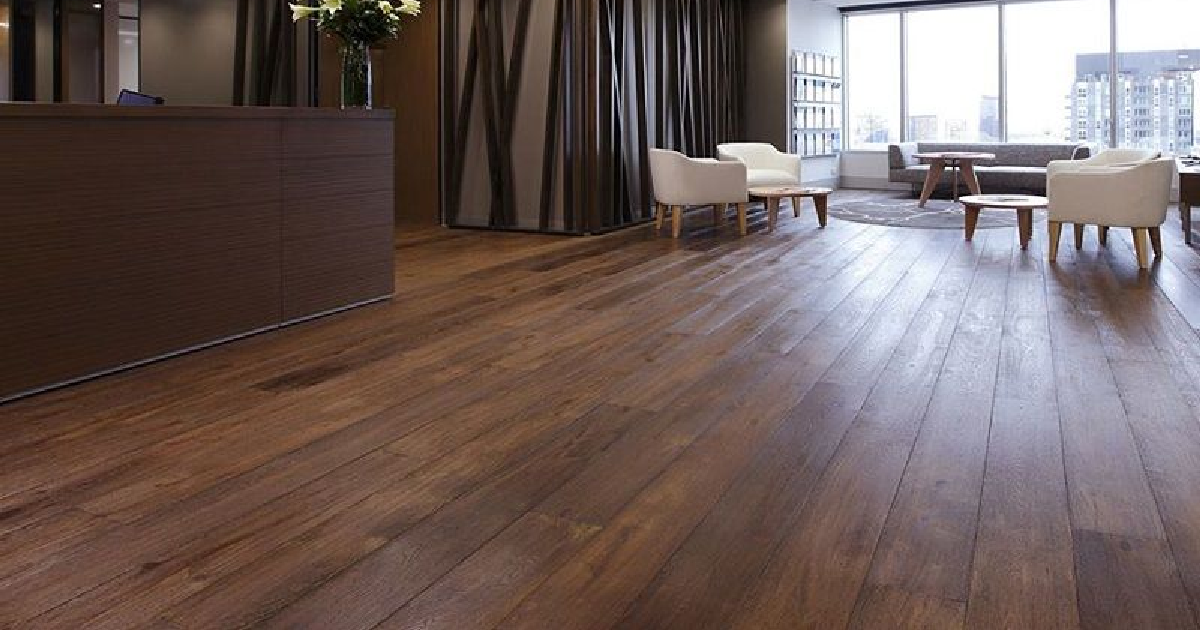
Wood flooring trends in 2025 are all about warmth and authenticity. Think light white oak and honey-toned walnuts with matte finishes. Wide planks remain a top choice for modern home flooring ideas, creating a sense of spacious, organic warmth.

Vinyl Flooring Trends 2025

Vinyl flooring trends in 2025 deliver incredible realism with superhero durability. Today’s luxury vinyl plank features realistic wood textures and matte finishes. It’s the go-to for modern home flooring ideas that need to be 100% waterproof and pet-proof without sacrificing style.

Tile & Stone Trends

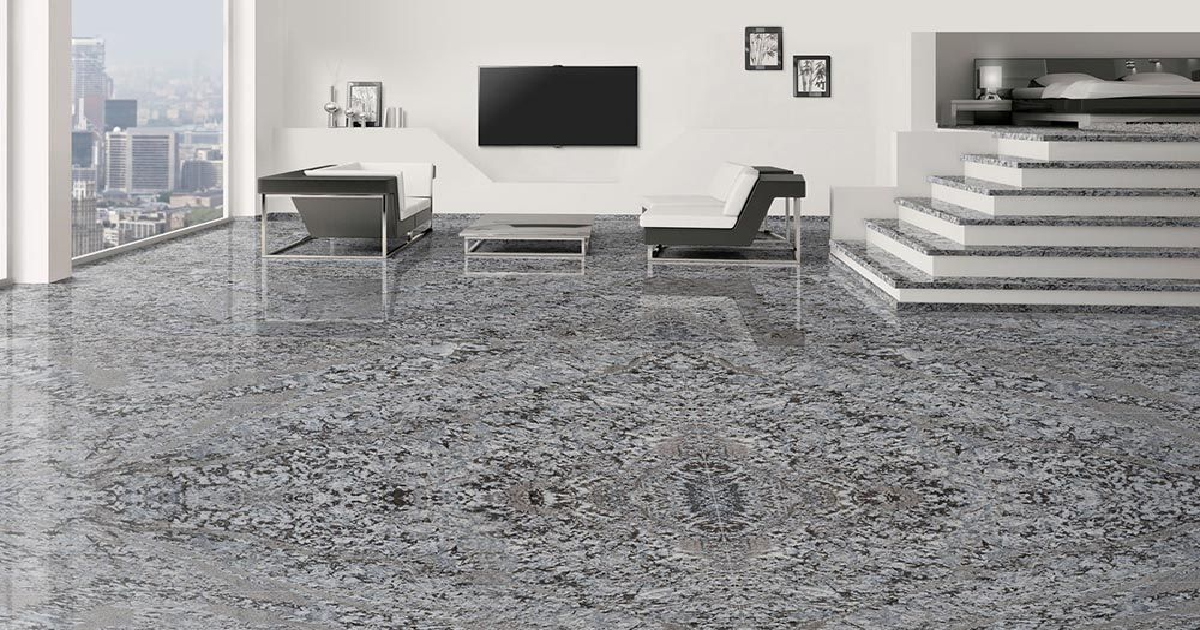
The latest trend flooring in tiles uses large-format pieces for a clean, seamless look. Designs mimic natural stone or concrete, supporting modern home flooring ideas with their minimalist elegance and easy maintenance.

Top Flooring Options That Increase Home Value

Now that you’ve seen the hottest styles for 2025, let’s get down to the nitty-gritty. Which of these flooring ideas for homes actually boost your bottom line? Here’s a straightforward breakdown of your best options.

Solid Hardwood: The Classic Investment

Solid hardwood is the gold standard for a reason. It’s timeless, durable, and buyers love it. While it comes with a higher upfront cost, its ability to be refinished multiple times means it can literally last a lifetime. This is a long-term investment that consistently ranks as a top feature for buyers, making it one of the most popular flooring in new homes and older ones alike.

Engineered Hardwood: The Practical Sibling

If you love the real wood look but need more versatility, engineered hardwood is your answer. It’s constructed with a real wood layer on top of a stable plywood base, making it less prone to warping with humidity changes. This makes it a fantastic choice for basements or areas where solid wood might be risky. It gives you that authentic feel with added peace of mind.

Luxury Vinyl Plank (LVP): The Modern Powerhouse

Remember those Vinyl flooring trends 2025 we discussed? This is where they shine. LVP is the ultimate fusion of style and resilience. It’s 100% waterproof, incredibly scratch-resistant, and so realistic that it often fools the eye. For busy households with kids and pets, it’s arguably the smartest, most practical choice on the market today.

Porcelain & Ceramic Tile: The Durability King

For moisture-prone areas like bathrooms, kitchens, and mudrooms, tile is unbeatable. Porcelain tile, in particular, is incredibly dense and resistant to stains, moisture, and wear. Following the latest trend flooring of large-format tiles, you can create a sleek, almost seamless look that is both beautiful and brutally tough.

Carpet: The Cozy Nook Specialist

While not the star for main living areas, carpet still has its place. In bedrooms and upstairs lofts, it provides warmth, comfort, and noise reduction that hard surfaces can’t match. The key is to choose a high-quality, stain-resistant carpet and confine it to these “cozy zones” to maximize its appeal. 

Room-by-Room Flooring Ideas for 2025 Homes

You wouldn’t wear snow boots to the beach, right? The same logic applies to your floors. Now that we’ve covered the best materials, let’s match them to the right rooms. Tailoring your flooring ideas for homes by function is the secret to a home that’s both beautiful and brilliantly practical.

Entry & Living Areas: Your Home’s First Handshake

This is your home’s first impression, so durability and style are key. You want a floor that can handle foot traffic while wowing guests. Hardwood or its convincing counterpart, LVP, are perfect ideas for floors for homes here. They are easy to clean and set a sophisticated tone for the entire house.

Kitchen & Dining: Where Spills Happen

In these busy hubs, your floor needs to be a superhero. Spills, dropped dishes, and high traffic are a daily reality. This is where those waterproof modern home flooring ideas truly pay off. Luxury Vinyl Plank (LVP) or durable porcelain tile are your best bets, combining resilience with the warm look of wood or stylish stone visuals.

Bathrooms & Laundry: The Moisture Masters

For these spaces, being 100% waterproof isn’t just a feature—it’s a requirement. Porcelain or ceramic tile is the classic, unbeatable choice. However, modern waterproof LVP is a fantastic alternative that provides a warmer feel underfoot while handling humidity with ease.

Bedrooms & Upstairs: Comfort is King

After all that tough talk about durability, let’s talk comfort. This is your sanctuary. Here, softness and noise reduction take priority. A plush, high-quality carpet is a wonderful choice for bedrooms. If you prefer hard surfaces, hardwood or LVP with a large, cozy area rug offers a perfect blend of comfort and style.

Basement & Utility Spaces: The Dry Defense

Basements and utility rooms are prone to moisture and temperature shifts. Your flooring must be resilient. Engineered hardwood, luxury vinyl plank, or tile are the top contenders here, as they are specifically designed to resist moisture and perform well in below-ground environments.

Cost, ROI & What To Expect in 2025

So, we’ve picked the perfect floors for every room. Now, let’s talk numbers. You’re likely thinking, “What kind of investment are we looking at, and what will I get back?” It’s a smart question. Understanding the cost and potential return helps you make a choice that makes sense for your budget and your home’s future value.

Here’s a quick look at what you can expect per square foot for materials and professional installation:

  • Luxury Vinyl Plank (LVP): $3 – $7
  • Laminate Flooring: $3 – $7
  • Carpet: $4 – $9
  • Engineered Hardwood: $5 – $10
  • Porcelain/Ceramic Tile: $8 – $15
  • Solid Hardwood: $8 – $15

As for your return, projects that align with the 2025 Flooring trends we discussed—like refreshing hardwood floors or installing high-quality LVP—typically offer the strongest ROI. The key is to spend smart. You don’t always need the most expensive option. Often, choosing a durable, on-trend material that fits your home’s style and your local market will give you the best bang for your buck when it’s time to sell. 

Build Your Home’s Value from the Ground Up

And there you have it! From the warm, natural tones leading the 2025 Flooring trends to the practical magic of waterproof vinyl, you’re now equipped with the knowledge to choose floors that look incredible and build your home’s value. Remember, the best choice always balances current style, your lifestyle needs, and smart financial sense.

Whether you’re restoring the character of an older home or building your dream modern space, your floors are the foundation of it all. They are the silent workhorse that welcomes you home every day and the powerful first impression that welcomes potential buyers tomorrow.

Ready to take the next step? We recommend chatting with a trusted local flooring professional. They can provide specific samples and quotes to help you visualize these ideas for floors for homes in your own space, making your path to a more beautiful and valuable home smooth and simple. 

Home Flooring Ideas 2026 That Will Increase Home Value

Flooring plays a major role in the comfort, beauty, and long-term value of your home. As we move into 2026, homeowners are choosing flooring materials that are not only stylish but also durable, sustainable, and appealing to future buyers. If you are planning a renovation or preparing your home for resale, choosing the right flooring can significantly increase your property’s value, enhance modern living comfort, and reduce maintenance costs.This detailed guide explains the best home flooring ideas for 2026, why they matter, how much they cost, and where they work best in your home.

Why Flooring Matters in Home Value

Real estate professionals consistently note that updated flooring is one of the top three upgrades that influence buyer decisions, alongside kitchens and bathrooms.
Here’s why flooring impacts property value:

ReasonImpact
Visual AppealMakes interiors look clean, updated, and cohesive
DurabilityBuyers pay more for low-maintenance, long-lasting floors
Comfort & Lifestyle FitFlooring affects noise, warmth, and everyday usability
Market TrendsModern styles attract more buyers and better offers

1. Engineered Hardwood Flooring 

Engineered hardwood remains one of the most desirable flooring choices in 2026, both for homeowners living in the space and for future resale potential. It offers the luxury and warmth of real hardwood, while delivering improved durability and stability compared to traditional solid wood flooring. The construction features a real hardwood veneer on top of a stable, multi-layered core. This layered structure minimizes expansion and contraction, which makes engineered hardwood suitable for a wide range of climates and interior conditions.

Why Engineered Hardwood Increases Home Value

Engineered hardwood flooring consistently ranks as one of the most value-adding home upgrades. Homebuyers recognize hardwood as a premium material, and many actively look for it when comparing properties.

AdvantageImpact on Home Value
Authentic wood appearanceCreates luxury visual appeal that shows well in listing photos and tours
Stable in humidity changesReduces long-term maintenance issues that buyers want to avoid
Compatible with radiant heatWorks with modern heating systems found in updated homes
Broad buyer appealIncreases buyer interest and can shorten days-on-market

Homes with hardwood flooring frequently appraise higher and generate stronger buyer offers because buyers see it as a premium, long-lasting upgrade.

Best Colors & Styles for 2026

Color trends are shifting toward natural, airy, and calm interior palettes. These tones help spaces feel more open and modern.

  • Light Blonde Oak: Creates bright, Scandinavian-inspired interiors
  • Warm Natural Walnut: Offers richness without feeling heavy
  • Soft Neutral Beige & Greige Wood Tones: Timeless and versatile
  • Matte or Satin Finishes: Reduce glare and highlight natural wood texture
  • Wide Plank Formats (6”–10”): Visually expand room size and reduce seam lines

Wide planks continue to dominate design trends because they give rooms a clean, seamless, and high-end look.

Where Engineered Hardwood Works Best

Engineered hardwood is versatile and visually unifying, making it ideal for main living zones:

  • Living Rooms: Creates a warm, welcoming foundation for décor
  • Bedrooms: Adds comfort and elegance
  • Hallways and Staircases: Enhance visual flow throughout the home
  • Dining Rooms: Supports both formal and casual styling

For bathrooms and laundry rooms, it is typically best to use tile or waterproof flooring because of direct water exposure.

Cost Range

Installed Cost: $6 – $14 per sq ft
Pricing varies based on:

  • Wood species (oak, walnut, hickory, maple)
  • Thickness of the wear layer (2mm–6mm+ for longer refinishing life)
  • Installation type (nail-down, floating, glue-down)
  • Finish type and texture

Higher wear-layer thickness provides longer lifespan and better refinishing potential, making it a stronger value investment.

Value Insight

Engineered hardwood is one of the few flooring options that:

  • Enhances everyday livability
  • Photographs beautifully in real estate listings
  • Signals “quality home” to buyers instantly

This is why real estate agents and appraisers consistently rank hardwood flooring upgrades as improvements that yield one of the highest returns on investment in home renovation.

2. Luxury Vinyl Plank (LVP) for Style, Durability, and Everyday Living

High-end Luxury Vinyl Plank (LVP) has become one of the most popular flooring choices heading into 2026  not just for its affordability, but for its impressive performance and visual realism. Modern LVP is designed to mimic the look and texture of hardwood or natural stone, yet it offers a level of durability and water resistance that makes it ideal for busy households.

LVP has evolved significantly in the last decade. Today’s premium styles include deep wood grain textures, matte finishes, beveled edges, and subtle color variation that closely resemble real hardwood. This allows homeowners to achieve a high-end design look while maintaining a low-maintenance lifestyle.

Why Homeowners Choose LVP

Luxury Vinyl Plank offers a balance of beauty and practicality that appeals to both current homeowners and future buyers:

BenefitWhy It Matters
Waterproof constructionSafe in kitchens, bathrooms, laundry rooms, and basements
Scratch & dent resistantExcellent for homes with pets and children
Soft and comfortable underfootMore comfortable than tile for daily living
Quiet flooringBuilt-in underlayment reduces sound between rooms
Wide design optionsWorks with rustic, coastal, modern, and farmhouse interiors

This combination of appearance + performance makes LVP a high-value upgrade, especially when selling a home.

Ideal Use Areas

Luxury Vinyl Plank is especially suitable for:

  • Kitchens: Handles spills and heavy traffic
  • Entryways & Mudrooms: Resists dirt, moisture, and shoes
  • Basements: Waterproof and stable, where hardwood may warp
  • High-traffic Living Areas: Stays attractive even with daily use
  • Condos & Apartments: Quiet and comfortable for shared walls/floors

Unlike traditional wood, LVP does not expand or contract dramatically with humidity, which makes it a reliable choice in various climates.

Design Trends in LVP for 2026

Homeowners are selecting:

  • Warm, natural oak tones
  • Matte and low-gloss finishes (no plastic shine)
  • Wide and long planks to visually expand small rooms
  • Light neutral colors to achieve bright, airy interiors

These finishes pair well with both modern and traditional furniture styles.

Cost & Installation

Typical Installed Cost: $3 – $8 per sq ft
Pricing depends on:

  • Thickness of wear layer (12mil to 30mil+)
  • Whether acoustic underlayment is included
  • Whether the installation is click-lock floating or glue-down

LVP is often faster and less expensive to install than hardwood or tile, which keeps renovation budgets flexible.

Value Insight

Luxury Vinyl Plank increases perceived home value when:

  • The plank color complements the wall and trim tones
  • Room transitions are smooth and clean
  • The style closely matches the look of real hardwood

LVP provides a high-end look with long-term resilience, which appeals strongly to buyers who want beauty without high maintenance.

3. Large-Format Porcelain Tile for a Clean Modern Luxury Look

Large-format tile continues to trend into 2026, especially in modern, minimalist, and spa-inspired interiors. Unlike traditional small tiles, large-format tiles (24”x24”, 24”x48”, and even custom oversized panels) create a smooth and uninterrupted look that visually opens the room. This makes spaces appear bigger, cleaner, and more luxurious with fewer visible grout lines.

Why Homeowners and Buyers Prefer Large-Format Tile

Large-format tile is more than a style choice. It provides long-term durability and an elevated architectural finish.

AdvantageWhy It Matters
Minimal grout linesCreates a sleek, continuous look that feels spacious and premium
High durabilityResistant to scratches, stains, and daily wear
Waterproof surfaceIdeal for moisture-heavy areas like kitchens and bathrooms
Wide design varietyAvailable in stone, marble, concrete, matte, and polished finishes
Low maintenanceEasier to clean due to fewer grout joints

This combination of practicality and visual luxury makes large-format tile a strong value-adding material for homeowners planning to sell in the future.

Popular Style Directions for 2026

  • Marble-look porcelain for a spa-like, soothing atmosphere
  • Matte concrete-look tile for modern, minimalist homes
  • Travertine-look tile for warm, Mediterranean-inspired interiors
  • Textured stone-look finishes for natural depth and character

Choose neutral tones (warm beige, soft gray, white stone) to maximize resale appeal.

Where Large-Format Tile Works Best

Large-format porcelain tile performs exceptionally well in:

  • Bathrooms (luxury hotel-style flooring and walls)
  • Kitchens (easy to clean and highly durable)
  • Entryways and Mudrooms (handles dirt, wet shoes, and heavy foot traffic)
  • Laundry Rooms (water-resistant and low-maintenance)

For cohesive design, consider extending the same tile onto walls in showers or behind bathtubs to create a continuous spa-inspired effect.

Cost & Installation Considerations

Typical Installed Cost: $4–$12 per sq ft
Costs vary by:

  • Tile size & thickness
  • Pattern complexity (straight-set vs herringbone or staggered)
  • Subfloor preparation

Because large-format tiles require precise layout and leveling, hiring a qualified tile installer is recommended to avoid lippage (uneven tile edges).

Value Insight

Large-format tile can visually raise the perceived value of a home, especially when paired with:

  • Clean, minimal décor
  • Soft LED lighting
  • Natural wood and warm textiles

Buyers often associate this look with premium new construction, making your home feel more current and luxurious.

4. Eco-Friendly Flooring Materials (Growing Demand in 2026)

Sustainability has moved from a design preference to a major decision factor in home upgrades. More homeowners are prioritizing materials that are responsibly sourced, low in chemicals, and long-lasting. The result is a strong increase in demand for eco-friendly flooring options, especially among younger buyers and families who value health and environmental responsibility. Choosing sustainable flooring today positions your home as modern, conscious, and future-buyer ready.

Popular Eco-Friendly Flooring Options

1-Bamboo Flooring

Bamboo grows significantly faster than traditional hardwood trees, sometimes reaching maturity in as little as five years. This makes it one of the most renewable flooring resources available.

  • Durable and resistant to everyday wear
  • Available in many stains and grain patterns
  • Works well for contemporary and natural interior styles

Best Uses: Living rooms, bedrooms, hallways
Care Tip: Maintain stable indoor humidity to preserve finish.

2-Cork Flooring

Cork is harvested from the bark of the cork oak tree, which continues to grow after harvesting, making this a low-impact material. It feels soft and cushioned underfoot, reducing pressure on joints and providing better sound insulation than wood or tile.

  • Noise-reducing
  • Comfortable to stand on for long periods
  • Naturally resistant to mold and mildew

Best Uses: Bedrooms, playrooms, home offices 

Care Tip: Use UV protection blinds in strongly lit rooms to prevent fading.

3-Reclaimed Hardwood

Reclaimed hardwood is sourced from old barns, factories, and historic buildings. Each plank carries unique grain patterns, nail marks, or age streaks, giving the floor a character-rich appearance that cannot be replicated in new boards.

  • Eco-conscious and full of personality
  • Long lifespan due to aged, dense wood fibers
  • Adds authenticity and uniqueness to interiors

Best Uses: Living rooms, dining rooms, feature flooring in entryways
Care Tip: Seal with a natural oil finish to preserve its history and depth.

4-Wool Carpet

Wool is a renewable, biodegradable, and chemical-free material that provides comfort and natural insulation. It regulates temperature, improves acoustic comfort, and is naturally flame-resistant without synthetic treatments.

  • Soft and premium feel
  • Durable and stain-resistant when properly maintained
  • Ideal for warm and cozy spaces

Best Uses: Bedrooms, lounges, upper-level hallways
Care Tip: Vacuum regularly and use mild natural cleaners.

Why Eco-Friendly Flooring Increases Home Value

Buyers are moving toward homes that feel healthy, natural, and responsible. Sustainable flooring tells a buyer that your home was built or renovated with long-term stewardship in mind without quick fixes.

Buyer PriorityHow Eco Flooring Supports It
Health & Indoor Air QualityLow-VOC, natural materials reduce exposure to chemicals
Environmental ResponsibilityRenewable and reclaimed materials reduce impact
Modern Lifestyle AppealSustainability aligns with current home design expectations
Long-Term ValueDurable, high-quality materials age better over time

Homes updated with eco-friendly flooring often photograph better, show better during tours, and inspire emotional connection with buyers, which can directly translate to stronger offers.

5. Mixed-Material Flooring for Functional Zoning (Expanded Section)

Modern homes, especially those with open layouts, often combine multiple living areas into one big shared space. Without physical walls, it can sometimes be hard to visually separate where one area ends and another begins. Mixed-material flooring, also known as functional zoning, solves this by using different flooring types to define each space clearly while still maintaining a unified design theme.

Why This Trend Is Growing in 2026

Buyers and homeowners are prioritizing:

  • Flow between rooms
  • Practical floor performance (e.g., waterproof flooring in wet areas)
  • Intentional design

Zoning the floor helps a home look well-designed, thoughtfully organized, and easier to navigate.

Practical Example Layout

AreaBest Flooring ChoiceWhy It Works
Living RoomEngineered HardwoodWarm, welcoming, high resale appeal
KitchenPorcelain TileWaterproof, easy to clean, heat and spill resistant
Mudroom / EntrywayLuxury Vinyl Plank (LVP)Durable, scratch-proof, handles dirt and shoes

This combination ensures each part of the home supports everyday use while still looking visually cohesive.

How to Keep the Look Seamless

To avoid the flooring change looking abrupt:

  • Choose flooring with matching undertones (warm with warm, cool with cool)
  • Use flush transitions or low-profile metal edge trims
  • Keep patterns simple so the space feels continuous

Design Trick

If your living room hardwood is a warm oak tone, choose:

  • Kitchen tile in warm beige or stone-gray
  • LVP in the mudroom with a wood-grain pattern similar to your hardwood tone

This keeps the home visually connected even with different materials.

Why Mixed-Material Flooring Increases Home Value

Real estate agents note that buyers appreciate:

  • Purposeful design
  • Ease of cleaning
  • Right material in the right space

It shows the home was updated with practical, long-term living in mind, not just temporary cosmetic changes. Functional zoning also protects hardwood in areas where spills or moisture are likely to occur, extending lifespan and reducing replacement costs.

How to Choose Flooring Based on Your Home’s Needs

Before selecting flooring, consider your lifestyle:

LifestyleBest Flooring Type
Pets + ChildrenLuxury Vinyl Plank or Tile
High Humidity HomeEngineered Hardwood or Tile
Low-Maintenance PreferenceLVP or Cork
High Resale PriorityEngineered Hardwood

Maintenance Matters (This Boosts Value Long-Term)

Even the best flooring needs proper care to maintain its beauty and value.
Since Almaraz Hardwood Flooring specializes in quality flooring installation, we recommend learning the right cleaning methods.

To maintain hardwood specifically, here is a guide you should follow:


[How to Clean a Hardwood Floor the Right Way] 

This internal resource will teach your visitors:

  • The correct type of mop to use
  • How humidity affects wood floors
  • Products that protect hardwood finish
  • Mistakes to avoid (like steam cleaning)

Proper maintenance = higher value when selling.

Final Thoughts

Choosing the right flooring is one of the smartest ways to enhance your home’s comfort, beauty, and long-term value. Whether you prefer the natural elegance of engineered hardwood, the durability of LVP, or the modern luxury of large-format tile, the key is selecting a style that supports your lifestyle and appeals to future buyers.

Frequently Asked Questions 

Q1: What makes engineered hardwood different from solid hardwood?
Engineered hardwood has a real wood top layer bonded to a multi-layered core, which makes it more stable in changing temperatures and humidity. It looks just like solid hardwood but resists warping and movement much better.

Q2: How long does engineered hardwood flooring last?
High-quality engineered hardwood can last 20–40 years or more. Longevity mostly depends on the thickness of the wear layer. Thicker wear layers can be refinished several times, extending lifespan significantly.

Q3: Can engineered hardwood be refinished?
Yes, it can — as long as the wear layer is thick enough.

  • 2mm–3mm wear layer: Light refinishing only
  • 4mm–6mm wear layer: Multiple full refinishes possible

This is why selecting the right product matters for long-term value.

Q4: Is engineered hardwood good for homes in humid or coastal climates?
Engineered hardwood is specifically designed to handle humidity fluctuations better than solid hardwood. The layered core prevents expansion, making it suitable for coastal areas, warm climates, and homes with seasonal moisture changes.

Q5: Can engineered hardwood be installed over concrete or radiant heating?
Yes. Its construction makes it compatible with radiant floor heating systems and concrete slabs, where solid hardwood is often not recommended. This flexibility is one of the reasons it is preferred in modern home builds.

Q6: How do I clean and maintain engineered hardwood flooring?
Engineered hardwood should be cleaned using gentle, non-acidic hardwood cleaning products, along with light sweeping or microfiber dusting.

Q7: Which rooms are not recommended for engineered hardwood?
High-moisture zones such as full bathrooms, steam rooms, or laundry areas are better suited to tile or waterproof flooring options. For the rest of the home, engineered hardwood performs beautifully.

Q8: Do engineered hardwood floors really increase home value?
Yes. Buyers consistently prefer hardwood flooring because it conveys quality, longevity, and timeless design. Homes with engineered hardwood often sell faster and at higher offers, especially when the flooring style matches current trends.

How to Maintain and Care for Your Hardwood Floors

You saved up, you picked the perfect honey-toned oak, and you held your breath as the installers laid down those stunning planks. Now, your hardwood floors are the star of your home. But then, reality hits: a muddy paw print here, a mysterious scratch there, and that one area by the door that’s starting to look a little… dull. Sound familiar? 

If you’ve ever found yourself asking out loud, “Hey Google, what is the best maintenance for hardwood floors?” – you’re definitely not alone.

The good news is that keeping your floors beautiful isn’t as complicated as it sounds. In this guide, we’ll walk through the simple, practical steps of wood floor care and maintenance together. We’ll answer all your big questions, starting with the basics like whether it’s truly safe to mop them, so you can feel confident and keep your wooden floors looking their best for years to come.

Know Your Hardwood Floors

Now that we’re on the same page about wanting to keep those floors gorgeous, the first and most important step is to get to know them a little better. You wouldn’t use shampoo on a leather jacket, right? In the same way, the best way to care for your floors depends on what they’re made of.

Think of it as a quick personality test for your home. There are three main types you’re likely to have:

Solid Hardwood

This is the classic. It’s a single, solid piece of wood from top to bottom. The great thing about this type is its resilience over the very long term, since heavily worn hardwood floors can be sanded down and refinished several times over decades, practically making them new again.

Engineered Hardwood

Don’t let the name fool you because the top layer is 100% real wood. It’s constructed like a plywood sandwich with a beautiful wood veneer on top. This makes it incredibly stable, especially in areas with moisture. However, that top layer is thinner, so it can only be refinished a few times.

Oiled Hardwood

This refers to the finish, not the construction. These floors have a matte, natural look because they’ve been treated with penetrating oils instead of a plastic-like coating (like polyurethane). They feel great underfoot but have different needs, which we’ll touch on soon when we answer, “How often should you oil your hardwood floors?”

Why does this matter so much? Because knowing your floor type stops you from making a costly mistake. For example, the advice you might get for what to wash hardwood floors with can differ, especially for oiled floors. It’s the foundation for everything else we’ll talk about.

What You Should Do to Maintain Hardwood Floors

Alright, now that you know whether you’re living with sturdy Solid, versatile Engineered, or touch-sensitive Oiled floors, let’s talk about the simple habits that keep them looking their best. This is the core of wood flooring maintenance that prevents big problems down the road.

Here’s your easy, go-to routine:

  • Daily Dusting: This is the single most important thing you can do. A quick pass with a dry microfiber mop or a soft broom does wonders. This kind of wiping floors daily picks up dust, pet hair, and that abrasive grit we talked about. It’s a five-minute task that pays off for years.
  • Smart Vacuuming: If you prefer a vacuum (and who doesn’t love a little tech help?), just make sure it has a setting for hard surfaces. Always turn off the rotating beater bar, as that thing is a scratch machine in disguise!
  • Bare Feet are Best: Get into the habit of taking off outdoor shoes. It’s the easiest way to stop dirt and small rocks from getting in. Placing a good mat at every entrance is your first line of defense, catching most of it before it even gets to your hardwood care and maintenance routine.

This simple playbook is your foundation. It keeps the daily grime at bay, which means when it is time for a more thorough cleaning, the job is much quicker and easier. And speaking of that, the question of “Should you mop hardwood floors?” is probably on your mind. Let’s tackle that head-on next.

What to Use (and What to Avoid) on Hardwood Floors

You’ve been doing a great job with the daily dusting, which is the perfect lead-in to this next topic. So, let’s answer that burning question: “Should you mop hardwood floors?”

The answer is a confident “yes, but…” The “but” is where most people go wrong. The key is to remember that you’re not washing a car; you’re damp cleaning a delicate surface. Using too much water is wood’s worst enemy, as it can seep into the seams and cause warping or clouding of the finish.

So, what should I use to clean hardwood floors when it’s time for a weekly refresh? Here’s the simple, safe method:

Pick the Right Cleaner: This is where you can’t go wrong. You need a cleaner made specifically for hardwood. These are pH-neutral and won’t leave a dulling film. A common question we get is about vinegar and water for cleaning hardwood floors. While it’s a popular DIY hack, it’s a risky one. Vinegar is acidic and, over time, can break down the protective finish, leaving your floors looking dull and vulnerable. It’s best to stick with products designed for the job.

The “Damp Mop” Technique: Here’s what cleans hardwood floors flawlessly without water damage. Spray a small amount of your chosen cleaner directly onto a microfiber mop head, not onto the floor itself. The mop should be just damp enough to pick up grime, not wet enough to leave any moisture behind. Gently glide it over the floor, following the direction of the wood grain.

This method safely lifts dirt without soaking the wood. And while we’re on the topic of what not to do, this brings us to one of the biggest modern mistakes in maintenance of hardwood floors.

Your Hardwood Care Calendar

Now that you’re a pro at the how, let’s talk about the how often. Having a simple schedule takes the guesswork out of your hardwood care and maintenance and ensures your floors get exactly what they need, right when they need it. Think of it like you changing your car’s oil regularly to prevent engine trouble; the same idea goes for your floors.

Here’s a simple timeline to follow:

  • Daily: Keep up the great work with a quick dry dust mop or vacuum (with the beater bar off!) to catch abrasive grit.
  • Weekly: This is when you do the safe, damp mopping we just talked about. A quick once-over with a hardwood-safe cleaner will maintain that fresh, clean look.
  • Monthly: Take a few extra minutes for a more attentive clean. Pay extra attention to high-traffic areas like entryways and hallways, and look for any spots you might have missed.
  • Every 6-12 Months (For Oiled Floors Only): This is the answer to “How often should you oil your hardwood floors?” If you have oil-finished floors, they need to be replenished with a fresh coat of specialty oil to keep them nourished and protected. 
  • Every 3-5 Years (For All Floors): Even with perfect care, the top coat can wear down. This is when you might consider “recoating” to bring back the original shine and protection.

Common Mistakes to Avoid When Cleaning Hardwood Floors

You’re now equipped with all the right things to do for your floors. But sometimes, knowing what not to do is just as important. So, let’s get crystal clear on What should you not use on hardwood floors?

Here’s your essential “Don’t” list:

  • Don’t Use Vinegar or Steam: We’ve talked about vinegar, but it’s worth repeating. And you should absolutely avoid using steam cleaner on hardwood floors. The intense heat and moisture can force their way through the finish, causing the wood to warp and the planks to separate.
  • Don’t Let Spills Linger: When something spills, wiping floors immediately is the best thing you can do. Don’t let liquids, especially water, sit on the surface. A quick blot with a dry or slightly damp cloth is all it takes.
  • Don’t Go Abrasive: Stiff brooms, rough scrub pads, and abrasive cleansers are like sandpaper to your floor’s finish. They will create tiny scratches that build up over time, which make your floors look dull.
  • Don’t Use Wax or Polish: Unless your floor’s manufacturer specifically recommends it, these products will create a slippery, gummy buildup that actually traps dirt and makes proper cleaning impossible later on.

Your Lifetime of Beautiful Floors

Caring for your hardwood floors truly comes down to a few consistent habits, including daily dusting, safe damp mopping with the right cleaner, and avoiding harsh tools like steam mops or vinegar. By understanding your floor’s needs and sticking to a simple schedule, you protect your beautiful investment from wear and tear, ensuring it stays warm and inviting for years to come.

Even with the best care, years of life can leave their mark. If your floors have lost their charm or show signs of significant wear, the team at Almaraz Hardwood Flooring is here to help. We provide trusted Floor Refinishing services that can sand away years of scratches and dullness, restoring your beautiful hardwood to its original glory.

Frequently Asked Questions

1. What is the best thing to use to clean hardwood floors?

For daily care, use a dry microfiber mop. For weekly cleaning, a damp mop with a pH-neutral hardwood floor cleaner is best. Avoid vinegar and steam.

2. Can you use a steam mop on hardwood floors?

No. You should avoid using a steam cleaner on hardwood floors. The heat and moisture can warp the wood and damage the finish.

3. How do you clean hardwood floors without damaging them?

Stick to dry dusting daily and damp mopping weekly with a dedicated hardwood cleaner. Always wring out your mop thoroughly to avoid excess water.

4. Is it okay to mop hardwood floors?

Yes, you can mop hardwood floors, but the key is to use a damp mop, not a wet one. Too much water is the most common cause of damage.

5. How often do hardwood floors need to be oiled?

Only floors with an oiled finish need this care. They typically need to be re-oiled every 6 to 12 months to keep them nourished and protected. 

Can You Install Carpet Over Laminate Flooring? A Complete Expert Guide for Homeowners

If you have ever looked at your laminate floors and thought, “They are beautiful, but I miss the soft warmth of carpet,” you are not alone. Many homeowners wonder if they can install carpet right over laminate flooring, and whether it is a smart long-term move.

The short answer? Yes, you can install carpet over laminate flooring, but only when done correctly. It’s a choice that blends comfort, style, and convenience, especially when guided by a professional carpet installer who understands subfloor structure and material compatibility.

In this guide, you’ll learn everything from the pros and cons to step-by-step expert installation tips, plus when it makes more sense to remove the laminate first.

Understanding Laminate Flooring Before Installing Carpet

Laminate flooring is a floating surface, meaning it is not glued or nailed down. It sits on top of an underlayment, allowing it to expand slightly with temperature and humidity changes.

This floating design is why installing carpet over laminate needs careful attention. If done wrong, the soft layers of carpet and padding can cause the laminate to shift, leading to wrinkles, squeaks, or uneven wear.

That is why most flooring contractors recommend inspecting your laminate first, a simple check that can save you from costly redos later.

Advantages of Installing Carpet Over Laminate

1. Saves Time and Labor Costs

You don’t need to tear out your laminate flooring, which means less mess, faster results, and lower flooring installation costs, which is a major win for homeowners.

2. Adds Instant Warmth and Comfort

If your home feels a bit cold underfoot, layering carpet over laminate adds instant coziness. With the right underlay, it even improves sound insulation, something every apartment owner and parent will appreciate.

3. Protects Existing Flooring

If you are renting or planning a renovation later, laying carpet over laminate is reversible. It protects your laminate from scratches, dents, and sunlight fading.

4. Perfect for Short-Term or Temporary Setups

For homeowners staging a property or tenants customizing a space, this method lets you get that “new floor” look without permanent changes.

 Pro Tip: If you are planning to sell or rent your home soon, ask your local carpet installation service to use non-permanent tack strips instead of glue, which is easy to remove, easy to update.

Drawbacks to Consider

1. Laminate Movement Can Cause Carpet Ripples

Because laminate floats, it may flex slightly when stepped on. Over time, that movement can make carpet surfaces uneven if the underlay is too thick.

2. Possible Moisture Trapping

Moisture between the laminate and carpet can cause mold or swelling. Always ensure the room is well-ventilated and use a breathable underlay.

3. Height and Clearance Issues

Carpet and padding can raise floor height by half an inch or more. You might need to adjust door trims or baseboards to fit properly.

4. Limited Longevity for Heavy Carpet Types

Plush or high-pile carpets add more pressure to the laminate base, which can cause bending or squeaking over time.

Expert Advice: Always hire a certified flooring contractor who can assess the condition of your laminate and recommend the best carpet type to pair with it.

Step-by-Step: How to Install Carpet Over Laminate the Right Way

Step 1: Inspect Your Laminate

Check for loose planks, warping, or squeaks. If any section moves underfoot, secure it before starting.

Step 2: Clean Thoroughly

Vacuum and wipe your laminate to remove dirt, dust, and residue. A clean base means a smooth, even carpet finish.

Step 3: Choose the Right Underlay

Go for a thin, firm, and breathable carpet underlay — rubber or dense foam works best. Avoid thick padding, which can make the floor unstable.

Step 4: Secure Tack Strips

Place tack strips along the room’s perimeter. These will hold your carpet in place without damaging the laminate below.

Step 5: Lay and Stretch the Carpet

Roll out the carpet over your underlay and stretch it tightly using a carpet stretcher. This eliminates ripples and ensures a professional-grade finish.

Step 6: Adjust Transitions and Trim

You may need to shave door bottoms or add transition strips for a polished look and safe walking surface.

Pro Insight: If this feels complex, search for carpet installation services that can complete the process in just a few hours, often with better results and warranty coverage.

When You Should Not Install Carpet Over Laminate

Skip this method if:

  • Your laminate is swollen, uneven, or water-damaged.
  • The room has high humidity (like basements or bathrooms).
  • You are installing a permanent, wall-to-wall carpet that needs direct adhesion to the subfloor.

In these cases, removing the laminate first is safer and more durable. It ensures the new carpet lasts longer and stays perfectly smooth.

Tip: Ask your local flooring installation contractor for a quote on laminate removal because it’s often more affordable than you think, and they’ll prep the subfloor properly.

Smart Alternatives

Not ready for full carpeting? Try these instead:

  • Area Rugs: Add warmth and texture without permanent installation.
  • Carpet Tiles: Great for DIYers; easy to remove or replace later.
  • Layered Rugs: Combine patterns and materials for a cozy designer look.

These give your home that “soft underfoot” feel, minus the full installation process.

Quick Comparison

These give your home that “soft underfoot” feel, minus the full installation process.


Factor

Carpet Over Laminate

Carpet After Removing Laminate
Cost
Lower
Higher
DurabilityModerateExcellent
Moisture SafetyNeeds CareSafer
Ideal ForRenters / Temporary setupsPermanent installations

Final Thoughts

So, can you install carpet over laminate flooring? Yes, if you do it in the right way. It is an easy, cost-effective way to refresh your space and add comfort without removing your existing floor. Just remember: success depends on condition, underlay, and installation quality. Always hire a local flooring contractor or professional carpet installer who can save you from uneven results or long-term wear.

If you love the warmth of carpet but want to keep your laminate safe, consult a flooring expert before starting. They’ll help you choose the right materials and make your living space look flawless.

Can You Put Hardwood Floors Over Tile

If you have ever looked at your laminate floors and thought, “They are beautiful, but I miss the soft warmth of carpet,” you are not alone. Many homeowners wonder if they can install carpet right over laminate flooring, and whether it is a smart long-term move.

The short answer? Yes, you can install carpet over laminate flooring, but only when done correctly. It’s a choice that blends comfort, style, and convenience, especially when guided by a professional carpet installer who understands subfloor structure and material compatibility.

In this guide, you’ll learn everything from the pros and cons to step-by-step expert installation tips, plus when it makes more sense to remove the laminate first.

Understanding Laminate Flooring Before Installing Carpet

Laminate flooring is a floating surface, meaning it is not glued or nailed down. It sits on top of an underlayment, allowing it to expand slightly with temperature and humidity changes.

This floating design is why installing carpet over laminate needs careful attention. If done wrong, the soft layers of carpet and padding can cause the laminate to shift, leading to wrinkles, squeaks, or uneven wear.

That is why most flooring contractors recommend inspecting your laminate first, a simple check that can save you from costly redos later.

Advantages of Installing Carpet Over Laminate

1. Saves Time and Labor Costs

You don’t need to tear out your laminate flooring, which means less mess, faster results, and lower flooring installation costs, which is a major win for homeowners.

2. Adds Instant Warmth and Comfort

If your home feels a bit cold underfoot, layering carpet over laminate adds instant coziness. With the right underlay, it even improves sound insulation, something every apartment owner and parent will appreciate.

3. Protects Existing Flooring

If you are renting or planning a renovation later, laying carpet over laminate is reversible. It protects your laminate from scratches, dents, and sunlight fading.

4. Perfect for Short-Term or Temporary Setups

For homeowners staging a property or tenants customizing a space, this method lets you get that “new floor” look without permanent changes.

 Pro Tip: If you are planning to sell or rent your home soon, ask your local carpet installation service to use non-permanent tack strips instead of glue, which is easy to remove, easy to update.

Drawbacks to Consider

1. Laminate Movement Can Cause Carpet Ripples

Because laminate floats, it may flex slightly when stepped on. Over time, that movement can make carpet surfaces uneven if the underlay is too thick.

2. Possible Moisture Trapping

Moisture between the laminate and carpet can cause mold or swelling. Always ensure the room is well-ventilated and use a breathable underlay.

3. Height and Clearance Issues

Carpet and padding can raise floor height by half an inch or more. You might need to adjust door trims or baseboards to fit properly.

4. Limited Longevity for Heavy Carpet Types

Plush or high-pile carpets add more pressure to the laminate base, which can cause bending or squeaking over time.

Expert Advice: Always hire a certified flooring contractor who can assess the condition of your laminate and recommend the best carpet type to pair with it.

Step-by-Step: How to Install Carpet Over Laminate the Right Way

Step 1: Inspect Your Laminate

Check for loose planks, warping, or squeaks. If any section moves underfoot, secure it before starting.

Step 2: Clean Thoroughly

Vacuum and wipe your laminate to remove dirt, dust, and residue. A clean base means a smooth, even carpet finish.

Step 3: Choose the Right Underlay

Go for a thin, firm, and breathable carpet underlay — rubber or dense foam works best. Avoid thick padding, which can make the floor unstable.

Step 4: Secure Tack Strips

Place tack strips along the room’s perimeter. These will hold your carpet in place without damaging the laminate below.

Step 5: Lay and Stretch the Carpet

Roll out the carpet over your underlay and stretch it tightly using a carpet stretcher. This eliminates ripples and ensures a professional-grade finish.

Step 6: Adjust Transitions and Trim

You may need to shave door bottoms or add transition strips for a polished look and safe walking surface.

Pro Insight: If this feels complex, search for carpet installation services that can complete the process in just a few hours, often with better results and warranty coverage.

When You Should Not Install Carpet Over Laminate

Skip this method if:

  • Your laminate is swollen, uneven, or water-damaged.
  • The room has high humidity (like basements or bathrooms).
  • You are installing a permanent, wall-to-wall carpet that needs direct adhesion to the subfloor.

In these cases, removing the laminate first is safer and more durable. It ensures the new carpet lasts longer and stays perfectly smooth.

Tip: Ask your local flooring installation contractor for a quote on laminate removal because it’s often more affordable than you think, and they’ll prep the subfloor properly.

Smart Alternatives

Not ready for full carpeting? Try these instead:

  • Area Rugs: Add warmth and texture without permanent installation.
  • Carpet Tiles: Great for DIYers; easy to remove or replace later.
  • Layered Rugs: Combine patterns and materials for a cozy designer look.

Quick Comparison

These give your home that “soft underfoot” feel, minus the full installation process.


Factor

Carpet Over Laminate

Carpet After Removing Laminate
Cost
Lower
Higher
DurabilityModerateExcellent
Moisture SafetyNeeds CareSafer
Ideal ForRenters / Temporary setupsPermanent installations

Final Thoughts
So, can you install carpet over laminate flooring? Yes, if you do it in the right way. It is an easy, cost-effective way to refresh your space and add comfort without removing your existing floor. Just remember: success depends on condition, underlay, and installation quality. Always hire a local flooring contractor or professional carpet installer who can save you from uneven results or long-term wear.

If you love the warmth of carpet but want to keep your laminate safe, consult a flooring expert before starting. They’ll help you choose the right materials and make your living space look flawless.

Hardwood Floor vs. Engineered Wood: A Comparative Analysis

So, you’ve decided it’s time for new floors. You can already picture that gorgeous, warm look that only real wood can bring to a room. But then you start shopping, and you’re hit with the big question, “What is better engineered wood or solid wood?”

If this left you scratching your head and wondering, “Wait, what’s the difference between hardwood and engineered hardwood anyway?”, don’t worry, you’re not alone. It’s one of the most common questions we get.

This blog is here to be your personal guide. We’ll break down exactly how each wood type is built, talk about which one handles messy kids or a basement best, and even look at the numbers so you can plan your budget. By the end, you’ll know exactly which of these wood floors engineered for different needs is the right fit for your home. 

Compare Hardwood to Engineered Wood

Now that we know what we’re comparing, let’s get to know our two options a little better. The core difference really comes down to what’s inside the plank.

First up, let’s talk about solid hardwood flooring. This is a classic. When you imagine a traditional wood floor, this is it. Each plank is a single, solid piece of timber, milled from trees like oak or maple. It’s what you’d find in many older, character-filled homes. Because it’s one thick piece of wood all the way through, it brings a sense of authenticity and history to a space. This is the definition of real hardwood flooring.

On the other side, we have engineered wood. So, what’s engineered wood in simple terms? Think of it as a smart, modern update. It’s not a single piece of wood. Instead, it’s built in layers for stability. To understand its strength, let’s look at what is engineered wood made of:

  • The Top Layer: A veneer of genuine hardwood. This is the part you see and walk on.
  • The Core Layers: Multiple stacks of plywood or a high-density fiberboard (HDF). These layers are glued together with their grains running in different directions.

So, in a nutshell, one is a solid piece of wood, and the other is a smart, layered design with a real wood top. This basic difference is what drives everything else we’ll talk about next.

How is Hardwood Different From Engineered Wood

Alright, now for the part you’ve been waiting for. Let’s put them right next to each other. Since we’ve just learned how they’re built, you’ll start to see why they perform differently. Here’s how these two differ from each other:

FeatureSolid HardwoodEngineered Wood
ConstructionSingle, solid piece of woodReal wood veneer on a plywood core
Moisture ResistanceLow; can warp in damp areasHigh; great for basements & kitchens
RefinishingCan be sanded & refinished many timesLimited by the thickness of the top layer
InstallationNailed or glued to a wood subfloorNailed, glued, or floated over most surfaces
Lifespan50+ years (can last a lifetime)20-40 years (varies by quality)
CostTypically higher upfrontGenerally more budget-friendly

Durability, Maintenance, and Moisture

You’ve seen the snapshot. Now, let’s get into the details that will really affect your day-to-day life. A big part of your decision comes down to how each floor handles the long run.

Let’s start with a clear look at the pros and cons of hardwood floors.

Pros

  • Can Be Refinished Repeatedly: Its thick, solid construction means you can sand out decades of scratches and dents, giving you a brand new floor multiple times.
  • Timeless Authenticity: It offers a unique, classic character and feel that is deeply valued for its authenticity and natural look.
  • Adds Home Value: It is often seen as a premium upgrade that can increase the resale value of your home.

Cons

  • Sensitive to Moisture: It is not suitable for basements or very humid rooms, as it can warp, swell, or cup from moisture exposure.
  • Prone to Dents: Softer species can be dented by high heels, pet claws, or dropped heavy objects.
  • Installation Limitations: It should only be installed on or above ground level and typically requires a wooden subfloor.

Now, let’s balance that with the pros and cons of engineered wood flooring. 

Pros

  • Handles Moisture Well: Its layered structure provides excellent stability, making it resistant to warping in humid environments like basements and kitchens.
  • Versatile Installation: It can be glued, nailed, or floated over almost any subfloor, including concrete, and is great for below-grade installations.
  • More Budget-Friendly: The initial material cost is generally lower than that of solid hardwood, offering a great look for less.

Cons

  • Limited Refinishing Potential: You can only sand and refinish it a few times (often just 1-2) before you risk sanding through the top veneer.
  • Can Be Irreparably Damaged: A deep scratch or gouge might go through the veneer, making it impossible to sand out completely.
  • Varies Greatly in Quality: The lifespan and performance depend heavily on the thickness of the top veneer, which can be very thin on lower-quality products.

Cost and Value Analysis

Now that we’ve compared how they feel underfoot, let’s talk about how they feel on your wallet. Understanding the costs involved is a huge part of making your final decision. So, let’s tackle the question head-on: How much is engineered wood compared to its solid counterpart?

Here’s a breakdown of what you can expect:

Cost FactorSolid Hardwood FlooringEngineered Wood
Material Cost (per sq. ft.)$8 – $15+$4 – $12+
Installation CostOften higher (requires nail-down)Often lower (floating options are DIY-friendly)
Long-Term ValueExcellent (decades of refinishing potential)Good (great initial value, but limited by wear layer)
Best ForLong-term investment, adding resale valueBudget-conscious projects, moisture-prone areas

It’s important to look beyond just the price tag on the box. While solid hardwood flooring typically has a higher initial cost, it’s an investment that can last the lifetime of your home and significantly boost its value. Engineered wood, on the other hand, gives you the beautiful look of wood for a lower upfront cost, which is what many families look for. 

Which One Fits Your Home?

We’ve covered a lot of ground, from what they’re made of to how much they cost. Now, let’s bring it all together. However, before we get to it, it is important to know that this isn’t about finding a winner, but about finding the right choice for you.

This brings us to the final, and most important, question, “Is engineered wood better than hardwood? Or is it the other way around?

The truth is, the “better” option is the one that best fits your specific situation. To make it simple, here’s a final guide to help you decide.

Choose Solid Hardwood if:

  • You’re in your “forever home” and want a floor that can last generations.
  • You love the character of a floor that can be sanded and refinished many times over its life.
  • You are installing it in living rooms, hallways, or bedrooms on or above ground level.
  • Maximizing the long-term resale value of your home is a top priority.

Choose Engineered Hardwood if:

  • You need a beautiful and durable floor for a basement, kitchen, or bathroom.
  • Your budget is a primary concern, and you want the real wood look for less.
  • You want to install the floors yourself (using a floating click-lock system).
  • Your home has radiant heat or you live in a region with significant humidity swings.

In the end, both are excellent choices that will bring warmth and beauty to your home. Your lifestyle, your budget, and the specific room you’re renovating will point you to the perfect fit.

Conclusion

So, after all that, where do we land? Choosing between hardwood and engineered wood really comes down to your home, your budget, and your life.

If you want a floor you can refinish again and again and you’re planting roots in your forever home, solid hardwood is best bet. However, if you need something that can handle a busy kitchen, a basement, or you’re working with a tighter budget, engineered wood is your smart, versatile go-to.

You really can’t go wrong. Both will give you that beautiful, warm wood look you love. And with all this info in your pocket, you can finally pick the perfect floor and make a truly informed decision.

Frequently Asked Questions

What is better, real hardwood or engineered hardwood?

Solid hardwood is prone to expansion, warping, and cupping to a significant degree if exposed to humidity changes. Engineered hardwood is more dimensionally stable through multi-ply design. This allows greater resistance to humidity changes.

What is the cost difference between engineered hardwood and hardwood?

Typically, the cost of hardwood flooring ranges from $8 to $15 per square foot, depending on the species of the wood. Engineered wood flooring is a more cost-effective alternative. Per square foot, engineered wood flooring ranges between $4 and $12 per ft².

How to tell if a floor is hardwood or engineered?

You can tell if a floor is hardwood or engineered by examining the plank’s edge or side, where engineered wood will show distinct layers of plywood, while solid hardwood will have a continuous grain and color.

Is engineered wood real wood?

Yes, the surface you see and walk on is a top layer of genuine hardwood veneer. The difference is in its construction, with a real wood top bonded to a stable plywood core.

Can hardwood floors be installed in a basement?

It’s not recommended. Basements have higher moisture levels that can cause solid hardwood to warp, cup, or swell. Engineered wood is the better choice for below-grade installations like basements.

How to Install Hardwood Floors Over Concrete?

You pull up the old carpet and discover a solid concrete slab underneath. For a second, your dream of gleaming hardwood floors feels impossible until you realize it can be done. Yes, you can install hardwood floors over concrete, and with the exact prep work, your results can look as flawless as any professional installation. In this blog, you’ll learn how to prepare your concrete subfloor, pick the perfect hardwood, and master each step of the installation process with confidence.  

Why Installing Hardwood Flooring on a Concrete Slab Can Be Tricky

Concrete may seem stable and permanent, and in many ways it i,s but when you are installing hardwood flooring on concrete, there are specific challenges to keep in mind:

  • Moisture: Concrete slabs can hold moisture or allow moisture to rise from below. That moisture can damage hardwood by causing warping, buckling, or gaps. 
  • Flatness and surface condition: Hardwood needs a reasonably flat, clean surface. If the concrete slab is rough, dusty, cracked, or uneven, your hardwood flooring over concrete won’t perform well. 
  • Material suitability: Solid hardwood tends to move (expand/contract) more than engineered hardwood. When installed on concrete, these movement issues can be amplified unless you take proper steps. 
  • Height buildup and transitions: If you install a sub-floor or underlayment over the concrete, you raise the floor level. That can complicate door thresholds, baseboards, or adjoining rooms.

Knowing these problems upfront helps avoid surprises and ensures your flooring project ends with a beautiful, lasting result.

Choosing the Best Hardwood for Concrete Subfloors

When you are looking at “hardwood flooring on concrete slab,” you basically have two main categories:

  • Solid hardwood: This is the classic wood plank, often ¾″ thick, made entirely of wood. It is beautiful, re-sandable, long-lasting, but sensitive to moisture and movement. On a concrete floor, extra caution is required.
  • Engineered hardwood: This is a layered product and a real wood top layer bonded to a stable core (plywood, HDF, etc.). It handles moisture and movement better, making it often the preferable choice when installing over concrete. 

Tip: If the concrete is below-grade (basement) or you suspect moisture issues, go with engineered hardwood. If the slab is above grade, dry, and you insist on solid wood, make sure you follow moisture controls and installation method meticulously.

Preparing the Concrete Subfloor Properly

Before you pick out your hardwood and start nailing or gluing, you absolutely must prep the concrete properly. This is where many failures begin.

1. Test for moisture

  • A new concrete slab needs at least 30 days to cure before you begin testing for moisture. 
  • Use a proper moisture meter or do the plastic sheet test (tape a square of plastic on concrete, check for condensation after 24 hours). Many DIYers share cautionary stories:

 If your slab is below grade, your biggest concern will be moisture. You only need to make sure your slab is completely cured, and you aren’t getting moisture wicking up through the slab.  

  • The relative humidity (RH) or moisture content must meet both the hardwood manufacturer’s and adhesive/subfloor product tolerances. 

2. Level, clean and repair the slab

  • Remove any old coverings, adhesives, and debris.
  • Grind down high spots, fill low spots, and ensure the concrete surface is flat (for example, within 1/8″ over 10′ is often cited). 
  • Make sure the surface is clean, dry, and free of dust, oil, or curing compounds, and a sloppy surface can compromise adhesion or underlayment.

3. Apply a vapor retarder/moisture barrier

  • Even when the concrete has been tested for dryness, a vapor barrier helps protect your hardwood flooring over concrete. Some recommended options include 6 mil polyethylene film, asphalt felt, or manufacturer-approved membranes. 
  • Lay the barrier per instructions, overlapping seams, tape where necessary, and extend under baseboard perimeters.

By investing time in preparation, you dramatically raise the chance of a successful hardwood installation on concrete.

Installation Methods for Hardwood Floors Over Concrete

There are three common methods for installing hardwood on concrete, and each with pros and cons depending on your slab, budget, and wood type.

Method 1: Floating installation

  • For engineered hardwood, you can install a “floating” floor over concrete: you lay an underlayment (and vapor barrier if required), then click or glue the boards together so they “float” above the slab.  
  • Pros: Minimal pinning into slab, often faster and less invasive; good for below-grade or when you don’t want to raise the floor too much.
  • Cons: May feel less solid underfoot; transitions to adjacent rooms need planning; might be less ideal for solid hardwood.
  • Steps:
    1. Lay vapor barrier and underlayment.
    2. Leave an expansion gap around walls (typically ½″ or per manufacturer).
    3. Install boards, locking or gluing as directed.
    4. Install trim/baseboard to cover the gap.

Method 2: Glue-down installation

  • In this method, you bond the hardwood (often engineered, sometimes solid) directly to the concrete slab using adhesive. 
  • Pros: Can feel very solid (“real hardwood feel”); good for when you want the floor to act like traditional hardwood.
  • Cons: Requires extremely flat, clean, dry slab; adhesives and prep can add cost/time; once glued, floor is permanent (harder to remove).
  • Steps:
    1. After the moisture test and slab prep, apply primer or recommended adhesive.
    2. Apply the adhesive with the correct trowel size.
    3. Lay boards, pressing firmly; use a roller if needed to ensure full contact.
    4. Clean excess adhesive quickly.
    5. Leave expansion gaps.

Method 3: Nail-down via plywood subfloor over concrete

  • This method turns the concrete into a pseudo-wood subfloor by installing plywood over a vapor barrier, then installing hardwood (solid or engineered) onto that plywood. 
  • Pros: Allows use of solid hardwood; gives sound/dampening benefits; easier to nail or staple hardwood as if on a wood subfloor.
  • Cons: Adds height (floor build-up); more materials/time; transitions to other finished floors may be tricky.
  • Steps:
    1. Lay a vapor barrier or retarder.
    2. Install concrete pins/adhesive to secure plywood sheets (e.g., ¾″ exterior plywood) to slab.
    3. Leave panel gaps (¼″-½″) and leave expansion around walls.
    4. Install hardwood flooring by nailing/stapling to plywood.
Floor Refinishing

Step-by-Step Guide: How to Install Hardwood Floors Over Concrete

Here’s a combined workflow you can follow (adapt method depending on your choice above):

  1. Inspect and test the slab
    • Check slab age (if new, give it time to cure).
    • Perform moisture testing (RH or plastic sheet test).
    • Ensure the slab meets the manufacturer’s specs for moisture and flatness.
  2. Clear and prep the slab
    • Remove old flooring/adhesives.
    • Clean thoroughly, vacuum, and mop to remove dust.
    • Repair cracks, level high/low spots, grind where needed.
    • Ensure the surface is clean, dry, and flat.
  3. Install vapor barrier/moisture retarder
    • Lay recommended membrane or polyethylene film, overlapping edges, tape seams.
    • Extend film under baseboards as necessary.
  4. (If using plywood method) Install plywood subfloor
    • Lay plywood sheets over the vapor barrier; fasten to concrete using appropriate fasteners/adhesive.
    • Leave gaps between sheets and around walls.
    • Ensure the surface is flat and smooth.
  5. Select and acclimate your hardwood flooring.
    • Bring wood into the room where it will be installed for at least 48-72 hours (or as manufacturer recommends) so it acclimates to the site’s humidity and temperature. 
    • Check the moisture content of wood if required.
  6. Install hardwood flooring
    • For floating: lay underlayment, then click/lock boards, leaving an expansion gap.
    • For glue-down: apply adhesive per instructions, lay boards, ensure full contact; use roller if needed.
    • For plywood/nail down: nail or staple boards into plywood, maintaining proper spacing and, expansion gap.
    • Stagger board joints as recommended; check the manufacturer for layout.
    • Maintain consistent direction of planks (commonly along the length of the room or toward the main light source).
  7. Finish up
    • Install baseboards or quarter-round to hide the expansion gap (but avoid pinning the floor to walls).
    • Clean the floor after installation; avoid heavy traffic for at least 24 hours if adhesive was used.
    • Address transitions to other flooring types (tile, carpet) with proper reducer strips.

Common Mistakes & How to Avoid Them

  • Skipping moisture testing → leads to buckling, warping, and separation. Always test the slab.
  • Installing too soon on new concrete → if the slab hasn’t cured, residual moisture will cause problems.
  • Ignoring flatness or debris → uneven slab leads to hollow spots, squeaks, loose boards.
  • Failing to allow for expansion gaps → hardwood needs room to expand/contract; pinning it to walls or subfloor causes problems.
  • Using the wrong adhesive or underlayment → manufacturer specs matter especially on concrete.
  • Choosing the wrong hardwood type for the environment → solid hardwood on a slab with moisture issues may fail; engineered may be better.
  • Height mismatch / bad transitions → if you build up the floor too much, doors may bind or thresholds may look awkward.

Maintenance and Care After Installation

  • Keep indoor humidity stable (ideally 35-55 %) to reduce wood movement.
  • Use rugs or mats at entrances to minimize grit and moisture entering from outside.
  • Clean using recommended hardwood floor cleaners (avoid damp mopping excess water).
  • Monitor for signs of moisture like cupping, gapping, or separation; if you see these, inspect slab moisture or humidity control.
  • If you used engineered hardwood, know that refinishing may be limited compared to solid hardwood.

Conclusion

Installing hardwood floors over a concrete slab is very doable, but only if you handle the prep work, choose the right materials, and follow the correct installation method. Whether you decide on engineered hardwood floating above the slab, glue-down boards directly to the concrete, or a nail-down approach via plywood, the key steps remain: moisture control, level/clean subfloor, appropriate barrier, correct installation technique. Follow these, and you’ll enjoy the warmth, durability and beauty of hardwood on concrete for years to come.

By investing time in preparation, you dramatically raise the chance of a successful hardwood installation on concrete.

Frequently Asked Questions

1. Can I install hardwood floors over a concrete slab?

Yes, you can install hardwood floors over a concrete slab if you prepare it properly. That means testing for moisture, making sure the surface is level, and using the right barrier or adhesive. Engineered hardwood is usually the best option for concrete floors.

2. What is the best type of hardwood to use on concrete?

Engineered hardwood works best on concrete because it handles moisture and temperature changes better than solid wood. It’s built to stay stable and resist warping on a concrete subfloor.

3. Do I need a moisture barrier under hardwood floors on concrete?

Yes! A moisture or vapor barrier is essential when installing hardwood over concrete. It blocks ground moisture from seeping into the wood and helps prevent warping, cupping, or mold issues.

4. How do I test my concrete floor for moisture before installing hardwood?

You can tape a plastic sheet to your concrete floor and check for condensation after 24 hours, or use a moisture meter. If there’s visible moisture or high readings, you’ll need to seal or treat the slab before laying hardwood.

5. Can I glue hardwood directly to concrete?

You can glue engineered hardwood directly to a clean, dry concrete slab using the right adhesive. Make sure the floor is flat and apply the adhesive evenly. Avoid gluing solid hardwood directly to concrete; it’s too risky.

6. How do I level a concrete floor before installing hardwood?

Use a self-leveling compound or concrete patch to fix low spots and grind down high areas. A level surface ensures your hardwood flooring on concrete stays stable and doesn’t creak or shift over time.

7. Should I install solid hardwood or engineered hardwood on concrete?

Engineered hardwood is the smarter choice for concrete floors. Solid hardwood expands and contracts more, which can cause damage. Engineered hardwood stays stable and performs better on concrete slabs.

8. How long should hardwood sit in the room before I install it on concrete?

Let your hardwood acclimate to the room for at least 48 to 72 hours before installation. This helps the boards adjust to your home’s temperature and humidity, preventing expansion or gaps later.