
Almaraz hardwood Flooring

Can You Put Hardwood Floors Over Tile

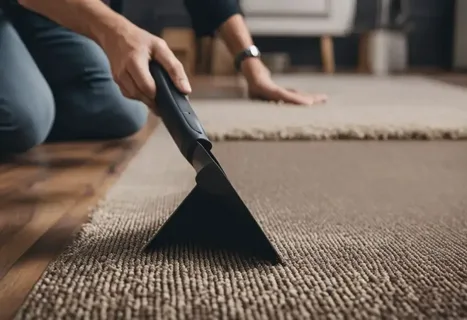
If you have ever looked at your laminate floors and thought, “They are beautiful, but I miss the soft warmth of carpet,” you are not alone. Many homeowners wonder if they can install carpet right over laminate flooring, and whether it is a smart long-term move.

The short answer? Yes, you can install carpet over laminate flooring, but only when done correctly. It’s a choice that blends comfort, style, and convenience, especially when guided by a professional carpet installer who understands subfloor structure and material compatibility.

In this guide, you’ll learn everything from the pros and cons to step-by-step expert installation tips, plus when it makes more sense to remove the laminate first.

Understanding Laminate Flooring Before Installing Carpet

Laminate flooring is a floating surface, meaning it is not glued or nailed down. It sits on top of an underlayment, allowing it to expand slightly with temperature and humidity changes.

This floating design is why installing carpet over laminate needs careful attention. If done wrong, the soft layers of carpet and padding can cause the laminate to shift, leading to wrinkles, squeaks, or uneven wear.

That is why most flooring contractors recommend inspecting your laminate first, a simple check that can save you from costly redos later.

Advantages of Installing Carpet Over Laminate

1. Saves Time and Labor Costs

You don’t need to tear out your laminate flooring, which means less mess, faster results, and lower flooring installation costs, which is a major win for homeowners.

2. Adds Instant Warmth and Comfort

If your home feels a bit cold underfoot, layering carpet over laminate adds instant coziness. With the right underlay, it even improves sound insulation, something every apartment owner and parent will appreciate.

3. Protects Existing Flooring

If you are renting or planning a renovation later, laying carpet over laminate is reversible. It protects your laminate from scratches, dents, and sunlight fading.

4. Perfect for Short-Term or Temporary Setups

For homeowners staging a property or tenants customizing a space, this method lets you get that “new floor” look without permanent changes.

 Pro Tip: If you are planning to sell or rent your home soon, ask your local carpet installation service to use non-permanent tack strips instead of glue, which is easy to remove, easy to update.

Drawbacks to Consider

1. Laminate Movement Can Cause Carpet Ripples

Because laminate floats, it may flex slightly when stepped on. Over time, that movement can make carpet surfaces uneven if the underlay is too thick.

2. Possible Moisture Trapping

Moisture between the laminate and carpet can cause mold or swelling. Always ensure the room is well-ventilated and use a breathable underlay.

3. Height and Clearance Issues

Carpet and padding can raise floor height by half an inch or more. You might need to adjust door trims or baseboards to fit properly.

4. Limited Longevity for Heavy Carpet Types

Plush or high-pile carpets add more pressure to the laminate base, which can cause bending or squeaking over time.

Expert Advice: Always hire a certified flooring contractor who can assess the condition of your laminate and recommend the best carpet type to pair with it.

Step-by-Step: How to Install Carpet Over Laminate the Right Way

Step 1: Inspect Your Laminate

Check for loose planks, warping, or squeaks. If any section moves underfoot, secure it before starting.

Step 2: Clean Thoroughly

Vacuum and wipe your laminate to remove dirt, dust, and residue. A clean base means a smooth, even carpet finish.

Step 3: Choose the Right Underlay

Go for a thin, firm, and breathable carpet underlay — rubber or dense foam works best. Avoid thick padding, which can make the floor unstable.

Step 4: Secure Tack Strips

Place tack strips along the room’s perimeter. These will hold your carpet in place without damaging the laminate below.

Step 5: Lay and Stretch the Carpet

Roll out the carpet over your underlay and stretch it tightly using a carpet stretcher. This eliminates ripples and ensures a professional-grade finish.

Step 6: Adjust Transitions and Trim

You may need to shave door bottoms or add transition strips for a polished look and safe walking surface.

Pro Insight: If this feels complex, search for carpet installation services that can complete the process in just a few hours, often with better results and warranty coverage.

When You Should Not Install Carpet Over Laminate

Skip this method if:

  • Your laminate is swollen, uneven, or water-damaged.
  • The room has high humidity (like basements or bathrooms).
  • You are installing a permanent, wall-to-wall carpet that needs direct adhesion to the subfloor.

In these cases, removing the laminate first is safer and more durable. It ensures the new carpet lasts longer and stays perfectly smooth.

Tip: Ask your local flooring installation contractor for a quote on laminate removal because it’s often more affordable than you think, and they’ll prep the subfloor properly.

Smart Alternatives

Not ready for full carpeting? Try these instead:

  • Area Rugs: Add warmth and texture without permanent installation.
  • Carpet Tiles: Great for DIYers; easy to remove or replace later.
  • Layered Rugs: Combine patterns and materials for a cozy designer look.

Quick Comparison

These give your home that “soft underfoot” feel, minus the full installation process.


Factor

Carpet Over Laminate

Carpet After Removing Laminate
Cost
Lower
Higher
DurabilityModerateExcellent
Moisture SafetyNeeds CareSafer
Ideal ForRenters / Temporary setupsPermanent installations

Final Thoughts
So, can you install carpet over laminate flooring? Yes, if you do it in the right way. It is an easy, cost-effective way to refresh your space and add comfort without removing your existing floor. Just remember: success depends on condition, underlay, and installation quality. Always hire a local flooring contractor or professional carpet installer who can save you from uneven results or long-term wear.

If you love the warmth of carpet but want to keep your laminate safe, consult a flooring expert before starting. They’ll help you choose the right materials and make your living space look flawless.
How to Install Hardwood Floors Over Concrete?

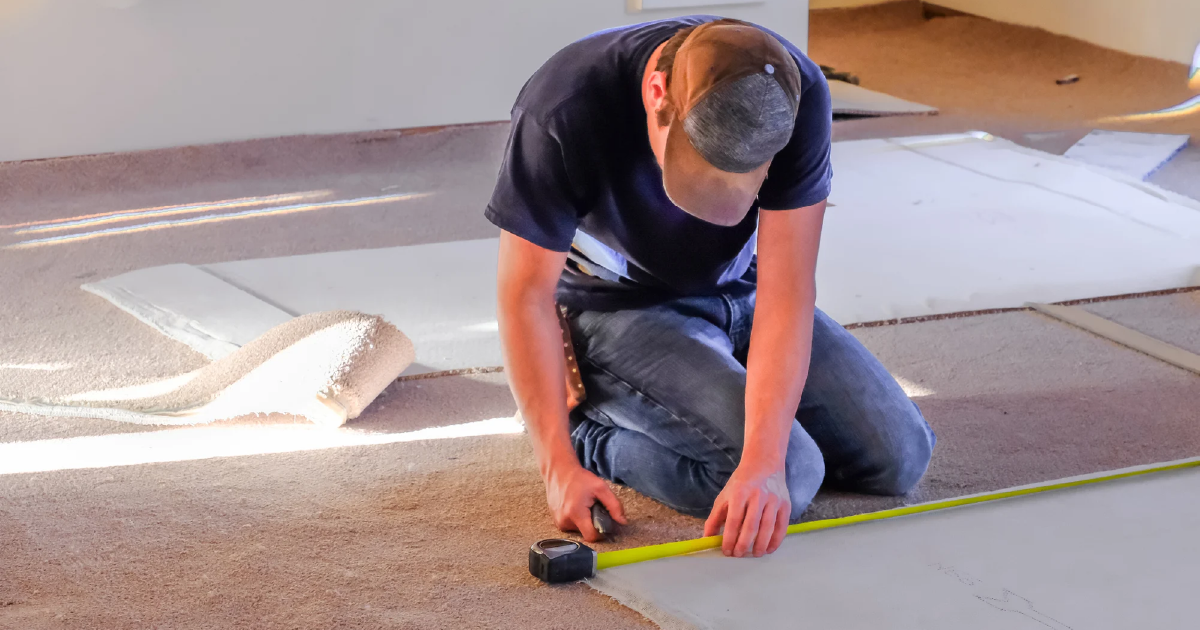
You pull up the old carpet and discover a solid concrete slab underneath. For a second, your dream of gleaming hardwood floors feels impossible until you realize it can be done. Yes, you can install hardwood floors over concrete, and with the exact prep work, your results can look as flawless as any professional installation. In this blog, you’ll learn how to prepare your concrete subfloor, pick the perfect hardwood, and master each step of the installation process with confidence.  

Why Installing Hardwood Flooring on a Concrete Slab Can Be Tricky

Concrete may seem stable and permanent, and in many ways it i,s but when you are installing hardwood flooring on concrete, there are specific challenges to keep in mind:

  • Moisture: Concrete slabs can hold moisture or allow moisture to rise from below. That moisture can damage hardwood by causing warping, buckling, or gaps. 
  • Flatness and surface condition: Hardwood needs a reasonably flat, clean surface. If the concrete slab is rough, dusty, cracked, or uneven, your hardwood flooring over concrete won’t perform well. 
  • Material suitability: Solid hardwood tends to move (expand/contract) more than engineered hardwood. When installed on concrete, these movement issues can be amplified unless you take proper steps. 
  • Height buildup and transitions: If you install a sub-floor or underlayment over the concrete, you raise the floor level. That can complicate door thresholds, baseboards, or adjoining rooms.

Knowing these problems upfront helps avoid surprises and ensures your flooring project ends with a beautiful, lasting result.

Choosing the Best Hardwood for Concrete Subfloors

When you are looking at “hardwood flooring on concrete slab,” you basically have two main categories:

  • Solid hardwood: This is the classic wood plank, often ¾″ thick, made entirely of wood. It is beautiful, re-sandable, long-lasting, but sensitive to moisture and movement. On a concrete floor, extra caution is required.
  • Engineered hardwood: This is a layered product and a real wood top layer bonded to a stable core (plywood, HDF, etc.). It handles moisture and movement better, making it often the preferable choice when installing over concrete. 

Tip: If the concrete is below-grade (basement) or you suspect moisture issues, go with engineered hardwood. If the slab is above grade, dry, and you insist on solid wood, make sure you follow moisture controls and installation method meticulously.

Preparing the Concrete Subfloor Properly

Before you pick out your hardwood and start nailing or gluing, you absolutely must prep the concrete properly. This is where many failures begin.

1. Test for moisture

  • A new concrete slab needs at least 30 days to cure before you begin testing for moisture. 
  • Use a proper moisture meter or do the plastic sheet test (tape a square of plastic on concrete, check for condensation after 24 hours). Many DIYers share cautionary stories:

 If your slab is below grade, your biggest concern will be moisture. You only need to make sure your slab is completely cured, and you aren’t getting moisture wicking up through the slab.  

  • The relative humidity (RH) or moisture content must meet both the hardwood manufacturer’s and adhesive/subfloor product tolerances. 

2. Level, clean and repair the slab

  • Remove any old coverings, adhesives, and debris.
  • Grind down high spots, fill low spots, and ensure the concrete surface is flat (for example, within 1/8″ over 10′ is often cited). 
  • Make sure the surface is clean, dry, and free of dust, oil, or curing compounds, and a sloppy surface can compromise adhesion or underlayment.

3. Apply a vapor retarder/moisture barrier

  • Even when the concrete has been tested for dryness, a vapor barrier helps protect your hardwood flooring over concrete. Some recommended options include 6 mil polyethylene film, asphalt felt, or manufacturer-approved membranes. 
  • Lay the barrier per instructions, overlapping seams, tape where necessary, and extend under baseboard perimeters.

By investing time in preparation, you dramatically raise the chance of a successful hardwood installation on concrete.

Installation Methods for Hardwood Floors Over Concrete

There are three common methods for installing hardwood on concrete, and each with pros and cons depending on your slab, budget, and wood type.

Method 1: Floating installation

  • For engineered hardwood, you can install a “floating” floor over concrete: you lay an underlayment (and vapor barrier if required), then click or glue the boards together so they “float” above the slab.  
  • Pros: Minimal pinning into slab, often faster and less invasive; good for below-grade or when you don’t want to raise the floor too much.
  • Cons: May feel less solid underfoot; transitions to adjacent rooms need planning; might be less ideal for solid hardwood.
  • Steps:
    1. Lay vapor barrier and underlayment.
    2. Leave an expansion gap around walls (typically ½″ or per manufacturer).
    3. Install boards, locking or gluing as directed.
    4. Install trim/baseboard to cover the gap.

Method 2: Glue-down installation

  • In this method, you bond the hardwood (often engineered, sometimes solid) directly to the concrete slab using adhesive. 
  • Pros: Can feel very solid (“real hardwood feel”); good for when you want the floor to act like traditional hardwood.
  • Cons: Requires extremely flat, clean, dry slab; adhesives and prep can add cost/time; once glued, floor is permanent (harder to remove).
  • Steps:
    1. After the moisture test and slab prep, apply primer or recommended adhesive.
    2. Apply the adhesive with the correct trowel size.
    3. Lay boards, pressing firmly; use a roller if needed to ensure full contact.
    4. Clean excess adhesive quickly.
    5. Leave expansion gaps.

Method 3: Nail-down via plywood subfloor over concrete

  • This method turns the concrete into a pseudo-wood subfloor by installing plywood over a vapor barrier, then installing hardwood (solid or engineered) onto that plywood. 
  • Pros: Allows use of solid hardwood; gives sound/dampening benefits; easier to nail or staple hardwood as if on a wood subfloor.
  • Cons: Adds height (floor build-up); more materials/time; transitions to other finished floors may be tricky.
  • Steps:
    1. Lay a vapor barrier or retarder.
    2. Install concrete pins/adhesive to secure plywood sheets (e.g., ¾″ exterior plywood) to slab.
    3. Leave panel gaps (¼″-½″) and leave expansion around walls.
    4. Install hardwood flooring by nailing/stapling to plywood.
Floor Refinishing

Step-by-Step Guide: How to Install Hardwood Floors Over Concrete

Here’s a combined workflow you can follow (adapt method depending on your choice above):

  1. Inspect and test the slab
    • Check slab age (if new, give it time to cure).
    • Perform moisture testing (RH or plastic sheet test).
    • Ensure the slab meets the manufacturer’s specs for moisture and flatness.
  2. Clear and prep the slab
    • Remove old flooring/adhesives.
    • Clean thoroughly, vacuum, and mop to remove dust.
    • Repair cracks, level high/low spots, grind where needed.
    • Ensure the surface is clean, dry, and flat.
  3. Install vapor barrier/moisture retarder
    • Lay recommended membrane or polyethylene film, overlapping edges, tape seams.
    • Extend film under baseboards as necessary.
  4. (If using plywood method) Install plywood subfloor
    • Lay plywood sheets over the vapor barrier; fasten to concrete using appropriate fasteners/adhesive.
    • Leave gaps between sheets and around walls.
    • Ensure the surface is flat and smooth.
  5. Select and acclimate your hardwood flooring.
    • Bring wood into the room where it will be installed for at least 48-72 hours (or as manufacturer recommends) so it acclimates to the site’s humidity and temperature. 
    • Check the moisture content of wood if required.
  6. Install hardwood flooring
    • For floating: lay underlayment, then click/lock boards, leaving an expansion gap.
    • For glue-down: apply adhesive per instructions, lay boards, ensure full contact; use roller if needed.
    • For plywood/nail down: nail or staple boards into plywood, maintaining proper spacing and, expansion gap.
    • Stagger board joints as recommended; check the manufacturer for layout.
    • Maintain consistent direction of planks (commonly along the length of the room or toward the main light source).
  7. Finish up
    • Install baseboards or quarter-round to hide the expansion gap (but avoid pinning the floor to walls).
    • Clean the floor after installation; avoid heavy traffic for at least 24 hours if adhesive was used.
    • Address transitions to other flooring types (tile, carpet) with proper reducer strips.

Common Mistakes & How to Avoid Them

  • Skipping moisture testing → leads to buckling, warping, and separation. Always test the slab.
  • Installing too soon on new concrete → if the slab hasn’t cured, residual moisture will cause problems.
  • Ignoring flatness or debris → uneven slab leads to hollow spots, squeaks, loose boards.
  • Failing to allow for expansion gaps → hardwood needs room to expand/contract; pinning it to walls or subfloor causes problems.
  • Using the wrong adhesive or underlayment → manufacturer specs matter especially on concrete.
  • Choosing the wrong hardwood type for the environment → solid hardwood on a slab with moisture issues may fail; engineered may be better.
  • Height mismatch / bad transitions → if you build up the floor too much, doors may bind or thresholds may look awkward.

Maintenance and Care After Installation

  • Keep indoor humidity stable (ideally 35-55 %) to reduce wood movement.
  • Use rugs or mats at entrances to minimize grit and moisture entering from outside.
  • Clean using recommended hardwood floor cleaners (avoid damp mopping excess water).
  • Monitor for signs of moisture like cupping, gapping, or separation; if you see these, inspect slab moisture or humidity control.
  • If you used engineered hardwood, know that refinishing may be limited compared to solid hardwood.

Conclusion

Installing hardwood floors over a concrete slab is very doable, but only if you handle the prep work, choose the right materials, and follow the correct installation method. Whether you decide on engineered hardwood floating above the slab, glue-down boards directly to the concrete, or a nail-down approach via plywood, the key steps remain: moisture control, level/clean subfloor, appropriate barrier, correct installation technique. Follow these, and you’ll enjoy the warmth, durability and beauty of hardwood on concrete for years to come.

By investing time in preparation, you dramatically raise the chance of a successful hardwood installation on concrete.

Frequently Asked Questions

1. Can I install hardwood floors over a concrete slab?

Yes, you can install hardwood floors over a concrete slab if you prepare it properly. That means testing for moisture, making sure the surface is level, and using the right barrier or adhesive. Engineered hardwood is usually the best option for concrete floors.

2. What is the best type of hardwood to use on concrete?

Engineered hardwood works best on concrete because it handles moisture and temperature changes better than solid wood. It’s built to stay stable and resist warping on a concrete subfloor.

3. Do I need a moisture barrier under hardwood floors on concrete?

Yes! A moisture or vapor barrier is essential when installing hardwood over concrete. It blocks ground moisture from seeping into the wood and helps prevent warping, cupping, or mold issues.

4. How do I test my concrete floor for moisture before installing hardwood?

You can tape a plastic sheet to your concrete floor and check for condensation after 24 hours, or use a moisture meter. If there’s visible moisture or high readings, you’ll need to seal or treat the slab before laying hardwood.

5. Can I glue hardwood directly to concrete?

You can glue engineered hardwood directly to a clean, dry concrete slab using the right adhesive. Make sure the floor is flat and apply the adhesive evenly. Avoid gluing solid hardwood directly to concrete; it’s too risky.

6. How do I level a concrete floor before installing hardwood?

Use a self-leveling compound or concrete patch to fix low spots and grind down high areas. A level surface ensures your hardwood flooring on concrete stays stable and doesn’t creak or shift over time.

7. Should I install solid hardwood or engineered hardwood on concrete?

Engineered hardwood is the smarter choice for concrete floors. Solid hardwood expands and contracts more, which can cause damage. Engineered hardwood stays stable and performs better on concrete slabs.

8. How long should hardwood sit in the room before I install it on concrete?

Let your hardwood acclimate to the room for at least 48 to 72 hours before installation. This helps the boards adjust to your home’s temperature and humidity, preventing expansion or gaps later.